
Describe the product
Tell us about viscosity, foam, particles, temperature, compatibility and cleaning.

Bottle filling machines specified around your production
Share your product, fill range, bottle and target rate. Lancing will compare the filling method, automation level and connected line equipment that fit the way you manufacture.
A clearer route to the right machine
Lancing uses your product, bottle, fill range and production target to narrow the options before quotation.
Tell us about viscosity, foam, particles, temperature, compatibility and cleaning.
Give the bottle, neck, closure, fill range, batch size, changeovers and required output.
Compare suitable filling principles, automation levels, trials and connected line equipment.
Machine range
Start with the product and bottle rather than selecting only by headline speed or number of filling heads.
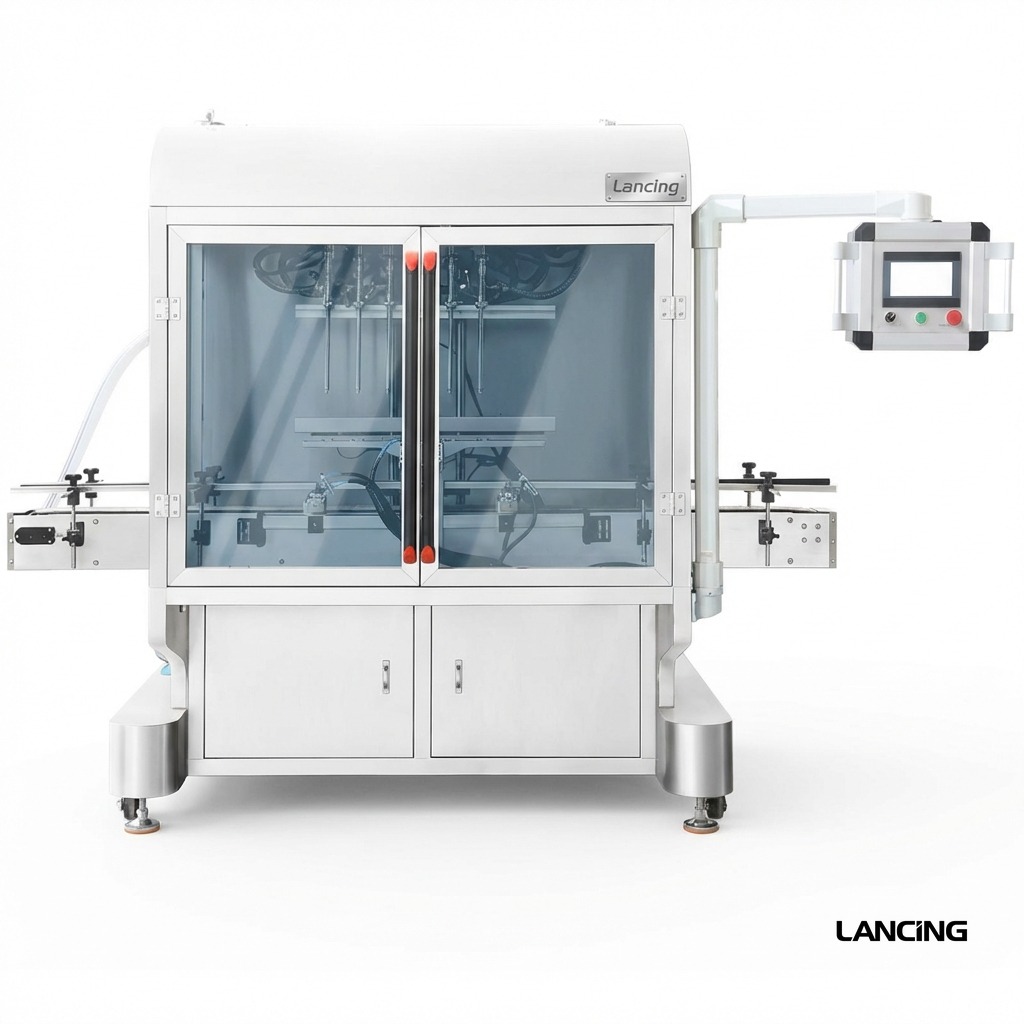
For free-flowing, foaming and medium-viscosity products, from compact stations to automatic multi-head systems.
Explore Liquid bottle fillers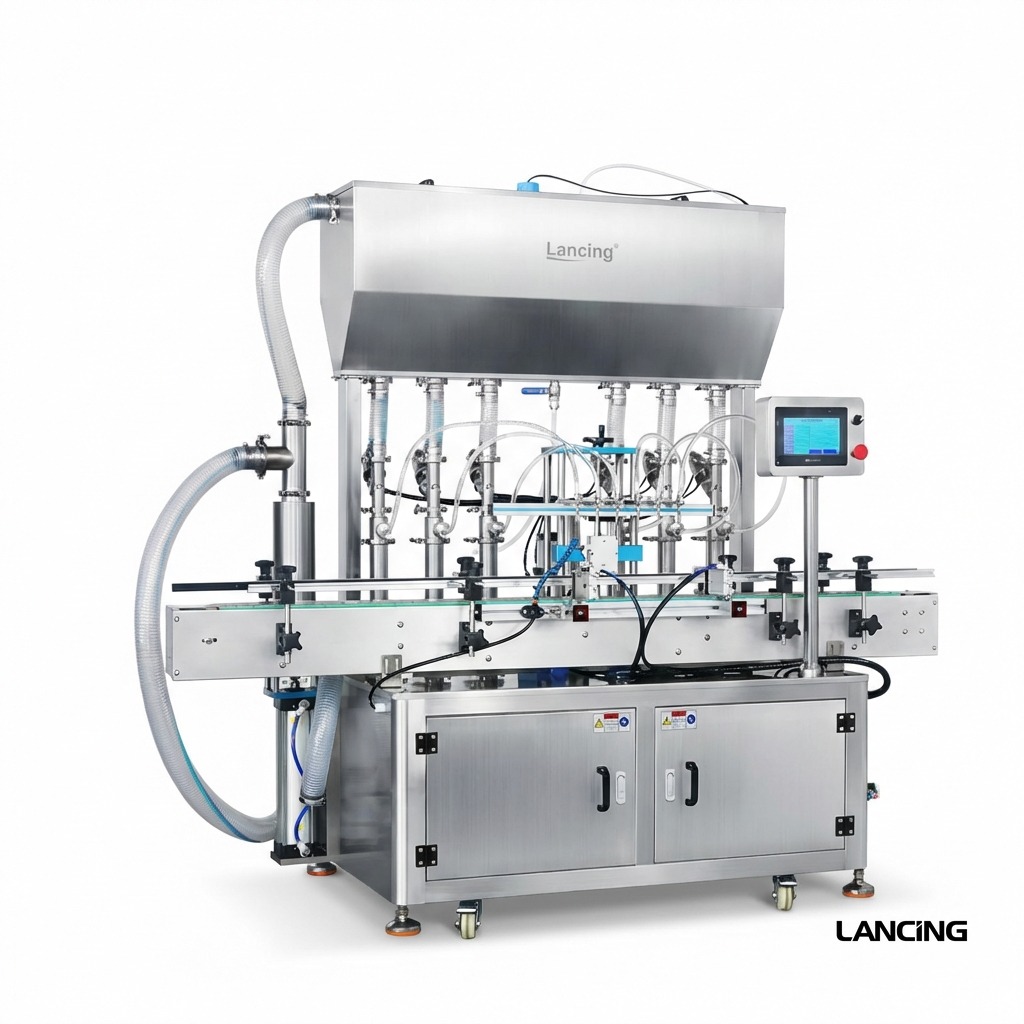
Positive-displacement and hopper-fed systems for creams, sauces, gels and products that string or drip.
Explore Paste & viscous fillers
Operator-loaded filling for short runs, frequent changeovers and staged production growth.
Explore Semi-automatic fillers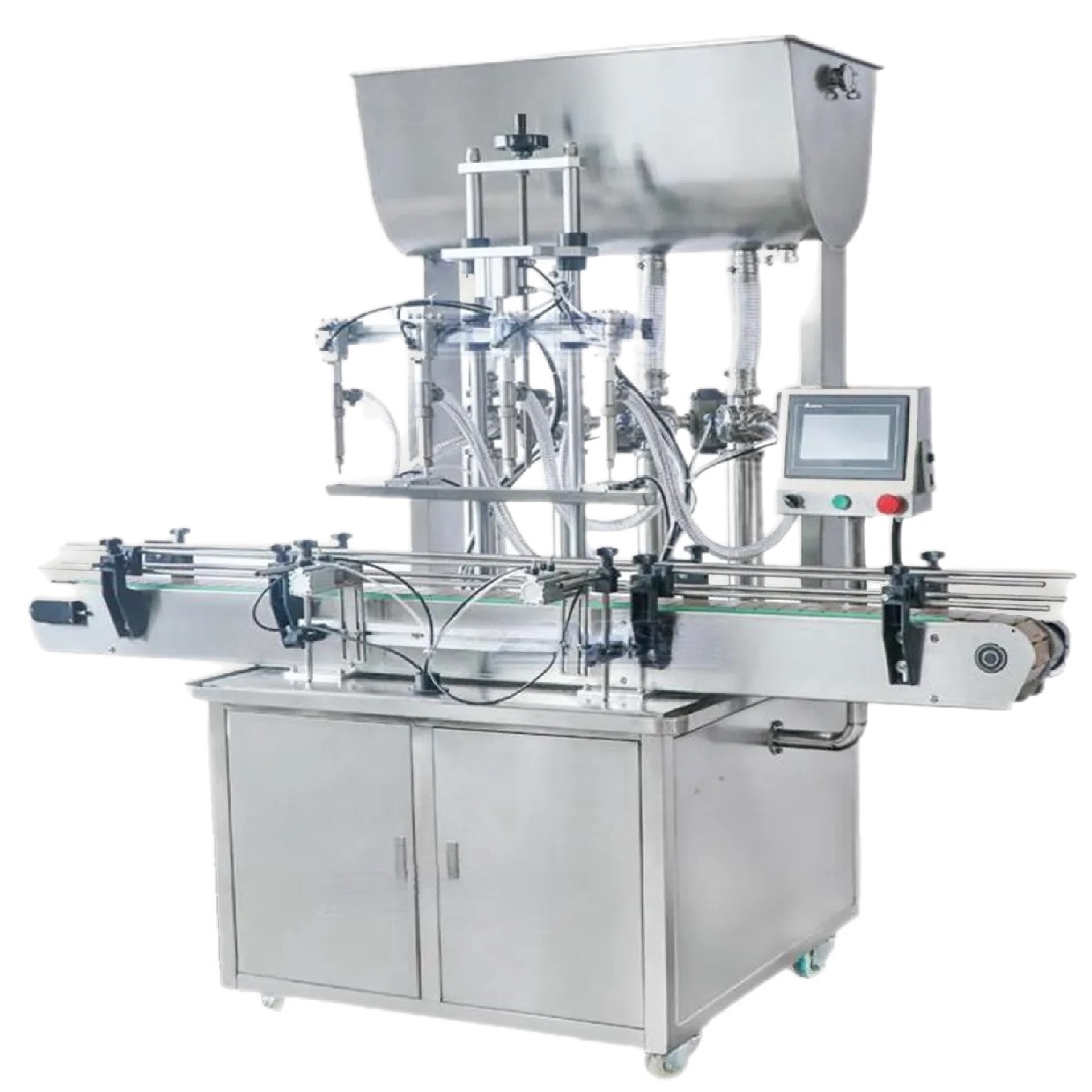
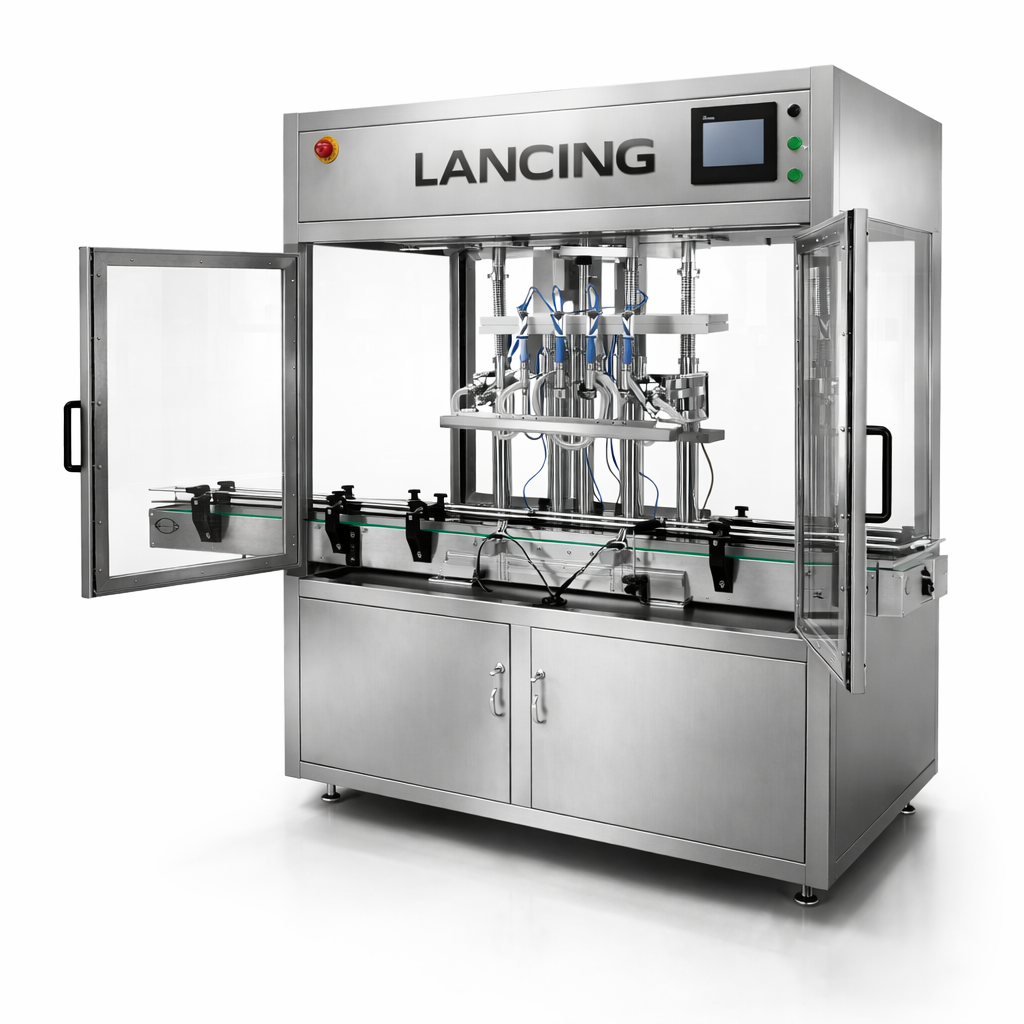
Conveyorised bottle detection, indexing, recipe control and multi-head dosing for repeat production.
Explore Automatic fillers
Controlled tubing product path for small doses, narrow-neck bottles and suitable low-viscosity liquids.
Explore Peristaltic fillers
Bottle infeed, filling, capping, sealing, coding, labelling and accumulation as a coordinated system.
Explore Complete bottle linesInteractive shortlist
This selector is an early planning aid, not a final specification. It narrows the filling principle and automation level before product and bottle testing.
Choose the closest answers and compare the suggested starting route.
Lancing Ltd
Lancing Ltd helps manufacturers choose, integrate and support bottle filling machinery—from flexible semi-automatic equipment to complete automated lines. Your recommendation starts with the product, pack and output, not a generic machine list.
The company address used for enquiries and correspondence is:
Lancing Ltd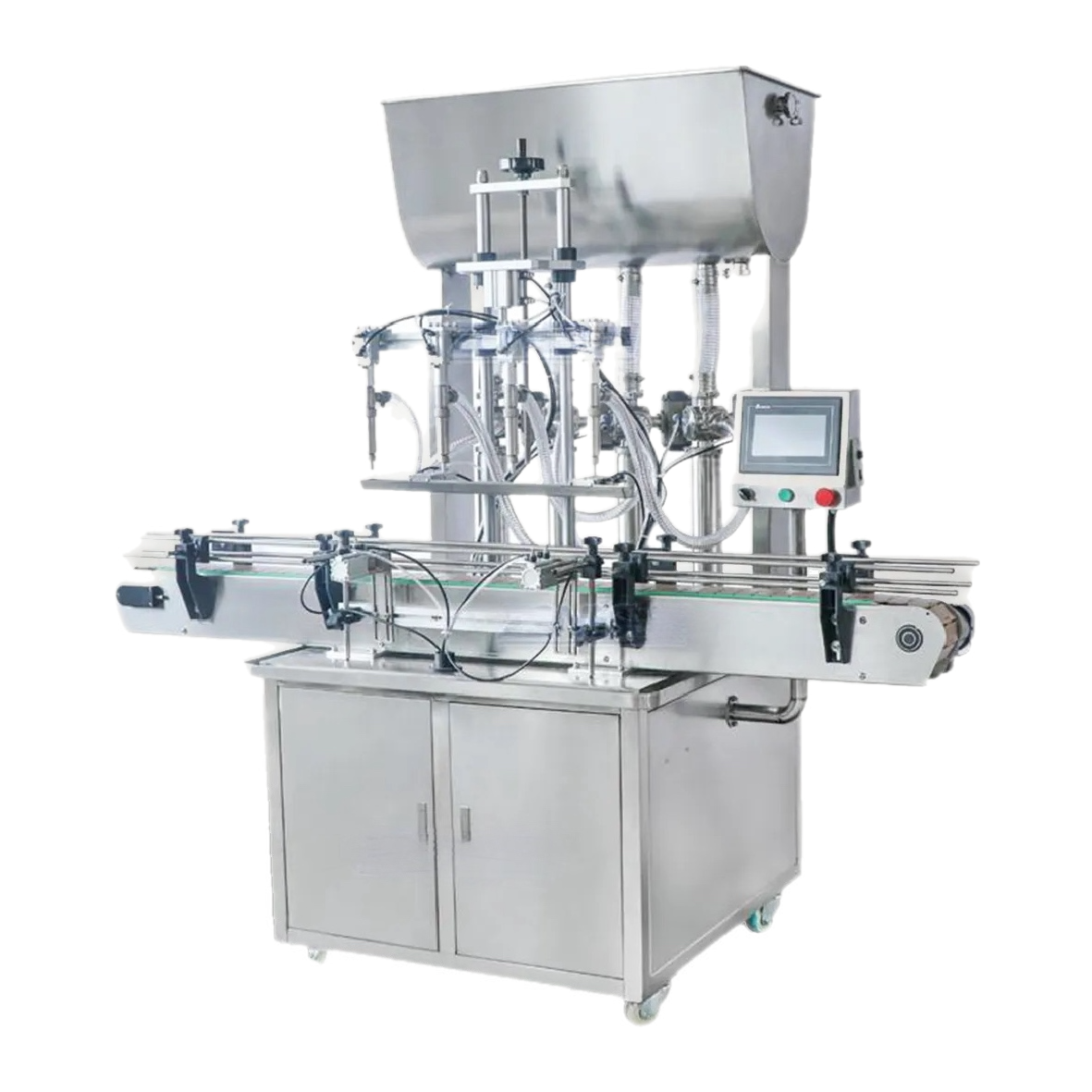
Reference scope
Filling performance depends on the bottle flow and the operations before and after the dosing point.
Published capacities are starting points. Your quotation will confirm the tested product, bottle, fill range, utilities and agreed acceptance criteria.
Machine selection
A reliable specification joins product behaviour, bottle handling and production requirements.
Viscosity, foam, particles, temperature, density, compatibility and product supply.
Material, dimensions, neck opening, rigidity, stability and the complete format range.
Fill volume, bottles per minute, batch size, operators, shifts and changeover pattern.
Infeed, rinsing, capping, sealing, coding, labelling, inspection and accumulation.
Integrated bottling
Bottle feeding, rinsing, controlled indexing, closure handling, torque, induction sealing, coding and label application all influence the final output. Planning these interfaces early reduces rework and helps set realistic acceptance tests.
Bottle filling questions
Early answers to the issues that most often change the machine shortlist.
The most useful starting information is the product, viscosity and foam behaviour, fill range, bottle and neck dimensions, closure, target output, batch size, cleaning method and any machinery that must connect to the filler.
Yes. Lancing can supply operator-loaded semi-automatic machines, conveyorised automatic fillers and complete bottle filling lines. The correct automation level depends on output, labour, changeovers and line scope.
Often, within an agreed operating window. Different recipes, tubing, cylinders, nozzles, guides or change parts may be required. Supply the full product and bottle range before the machine is specified.
Yes. Bottle infeed, rinsing, filling, closure feeding and application, sealing, coding, labelling, inspection, conveyors and accumulation can be planned as one line.
No. Published outputs are reference figures. Actual speed depends on fill volume, product flow, foam, bottle handling, head count, closure stages, operator method and agreed acceptance conditions.
Send the product, fill range, bottle, closure and target output. Lancing Ltd can compare the practical machinery routes before quotation.
Bottle-led specification
The same product and dose can require a different machine setup when the bottle material, neck, base, shoulder or presentation standard changes. Reviewing the complete pack range before quotation helps separate a practical shortlist from a catalogue-only match.
Glass, rigid plastic and more flexible containers react differently to guide pressure, neck sealing, vacuum, fill impact and accumulation. Supply samples from the production bottle set.
The opening, thread or finish, shoulder shape and required headspace define nozzle clearance, insertion depth, splash control and the transition to closure application.
Height-to-base ratio, empty-bottle weight, centre of gravity and dimensional variation affect rails, sensors, stops, pucks and change parts throughout the line.
Quote-ready evidence
A useful machine comparison starts with one evidence set that every proposed route must answer. Record the complete bottle family, the product in its normal production condition and the acceptance result required from the filled pack. This makes it easier to compare semi-automatic, automatic and integrated line options on the same basis.
List every bottle, closure and fill range. Mark the smallest usable opening, least stable empty bottle, tallest format, most flexible wall and any pack that needs orientation, a puck or dedicated change parts.
State the normal filling temperature, viscosity range, density where weight checks are planned, foam or bubble behaviour, particles, stringing and the product-supply method expected in production.
Separate quantity, visible level and presentation requirements. Include neck and thread cleanliness, label-panel condition, closure interface, good output and the result required after stops, restarts and changeovers.
| Decision to record | Evidence to provide | Why it changes the shortlist |
|---|---|---|
| Dose and fill range | Minimum, normal and maximum fill, plus the method used to verify it | Determines the practical dosing range, calibration approach and trial conditions |
| Bottle presentation | Required headspace, visible level, neck cleanliness and label-area condition | Influences nozzle movement, cut-off, foam control and downstream handling |
| Operating sequence | Start-up, steady running, planned stop, restart and product or format change | Tests recovery and repeatability rather than only an isolated fill cycle |
| Good output | Accepted filled bottles over the agreed production period | Keeps the comparison focused on usable production rather than headline machine speed |
Use these pages when the quotation needs a clearer measurement and trial basis.
Final selection resources
Use these commercial and engineering guides to compare the filling route, whole-project cost, site readiness, changeover and production support before requesting a final proposal.
Compare three distinct approaches using the real product, bottle and acceptance requirement.
Compare quotations against the same scope and supply enough evidence to avoid assumptions.
Prepare the site and define how the machine will be cleaned, changed, maintained and accepted.
The initial review should identify the practical filling principle, pack-handling route, automation level, trial evidence and outstanding information—not force the project into a machine chosen only by headline speed or number of nozzles.
Buyer questions
These answers cover the interfaces that are often missed when a project is described only by product and fill volume.
Filling and capping should be specified as one bottle journey because product on the neck, bottle spacing, transfer distance and line-stop behaviour can affect cap placement and the final seal. The filler trial should therefore check the bottle at the closure interface, not only the quantity dispensed.
Define acceptable neck and thread condition, the time between filling and closure application, and what happens to open bottles during a planned or fault stop.
An empty-bottle cleaning stage should be considered when the pack quality plan requires dust, loose particles or process residue to be removed before product enters the bottle. It is not an automatic requirement for every line; the method depends on the bottle, contamination risk, permitted cleaning medium and whether the container can be inverted safely.
Decide the cleaning requirement before fixing line layout because a rinser or air-cleaning station changes bottle handling, utilities, drainage and accumulation.
Yes. A bottle family can require different nozzle diameters, lengths, spacing, insertion depths or fixtures when neck openings, shoulders, fill ranges and product behaviour vary materially. Treat each arrangement as a defined format rather than assuming one nozzle position will suit the entire range.
The smallest neck, most unstable bottle and product most likely to foam or string should be included in the representative trial.
A useful trial record identifies the product and bottle tested, relevant product condition, machine settings, measurement method, sample results, observed foam or drips, handling issues, deviations and remaining assumptions. It should make clear what was demonstrated and what still needs confirmation at factory or site acceptance.
Agree the record format before the trial so the result can support quotation comparison and later acceptance testing.
Verified machines and application routes
Use the new machine and application briefs to compare verified Lancing models, multi-litre bottle handling, product supply and product-specific filling risks.
Review the published 500–5000ml six-head reference configuration and the trial evidence needed before quotation.
Review LU-CL6TAssess lifting nozzles, bottle detection and staged filling for suitable foamy and non-foamy liquids.
Review LU-YT4T-4DCompare a fully pneumatic hopper-fed station with the actual operator cycle, product and dose range.
Review LU-GT1VPlan the dose, filled-pack handling, bottle stability, capping and line route together.
Compare five-litre routesPrevent tank level, air, temperature or refill events from undermining the filler.
Plan product supplyCompare small-dose fragrance filling with foam-controlled personal-care and household-liquid filling.
Perfume and essential oilsMore bottle-led buying routes
Three common project questions now have dedicated buyer guides: how bottle material changes handling, what hot filling changes in the process, and when a small-batch producer should move beyond manual filling.
Compare stability, neck access, heat, conveyor handling and format changeover before fixing the filler.
Compare bottle materialsPlan heated product supply, bottle heat resistance, filling, capping and cooling as one process.
Plan a hot-fill projectCompare manual, semi-automatic and staged automation routes around real operator workload and changeover.
Choose a small-batch routeProduct and verification routes
A bottle filler should be assessed against what must arrive in the closed pack: the correct product, quantity, composition and presentation. For difficult foods and drinks, add the process and quality evidence to the bottle-and-output brief before selecting automation.
| Buyer task | Decision to resolve | Read next |
|---|---|---|
| Honey or syrup bottles | Product condition, stringing and support for squeeze packs | Honey and syrup filling |
| Juice or still drinks | Clear versus pulpy product, hygiene and the preservation boundary | Juice and still-drink filling |
| Sauce with inclusions | Product passage, ingredient condition and distribution | Particles, pulp and seeds |
| Quantity and documentation | What is controlled by the filler and what evidence is needed | Filling versus checkweighing and food-contact documents |
Confirm the product, fill range, bottle geometry and the accepted output using representative samples. Map bottle infeed, filling, discharge and the connection to capping or labelling. Agree utilities, cleaning access, change parts and the acceptance trial so that installation is assessed as a working production sequence.
A bottle filling project is easier to specify when the packaging references are stable. Before comparing machinery, assemble a pack file containing the intended bottle, neck finish, closure and any insert or dispenser. Include the suppliers and reference numbers as well as photographs. This lets a proposed filling and handling arrangement be reviewed against the pack that purchasing will actually order.
Where more than one bottle supplier is planned, send examples of each version for review. Record the differences that matter to the production task: shape, base, opening, surface finish and how the empty bottle is delivered. Ask which versions are included in the proposed machine setup and which would need an additional trial or change part. A general description such as a round plastic bottle is rarely enough to manage those decisions.
Keep the finished pack in the acceptance discussion. A correctly dosed bottle still needs an agreed route through closing, inspection, labelling and packing. Ask each equipment supplier to state the condition it expects at its inlet and what evidence demonstrates the handover. For a future packaging redesign, retain the approved trial samples and configuration as a useful comparison point.
Ask for the replacement pack to be reviewed against the approved configuration. Provide physical samples and drawings rather than assuming that the same nominal volume makes two bottles interchangeable on the line.