Viscosity and temperature
Some products change dramatically with temperature or shear, so the feed and dosing route must match production conditions.

Bottle filling machinery
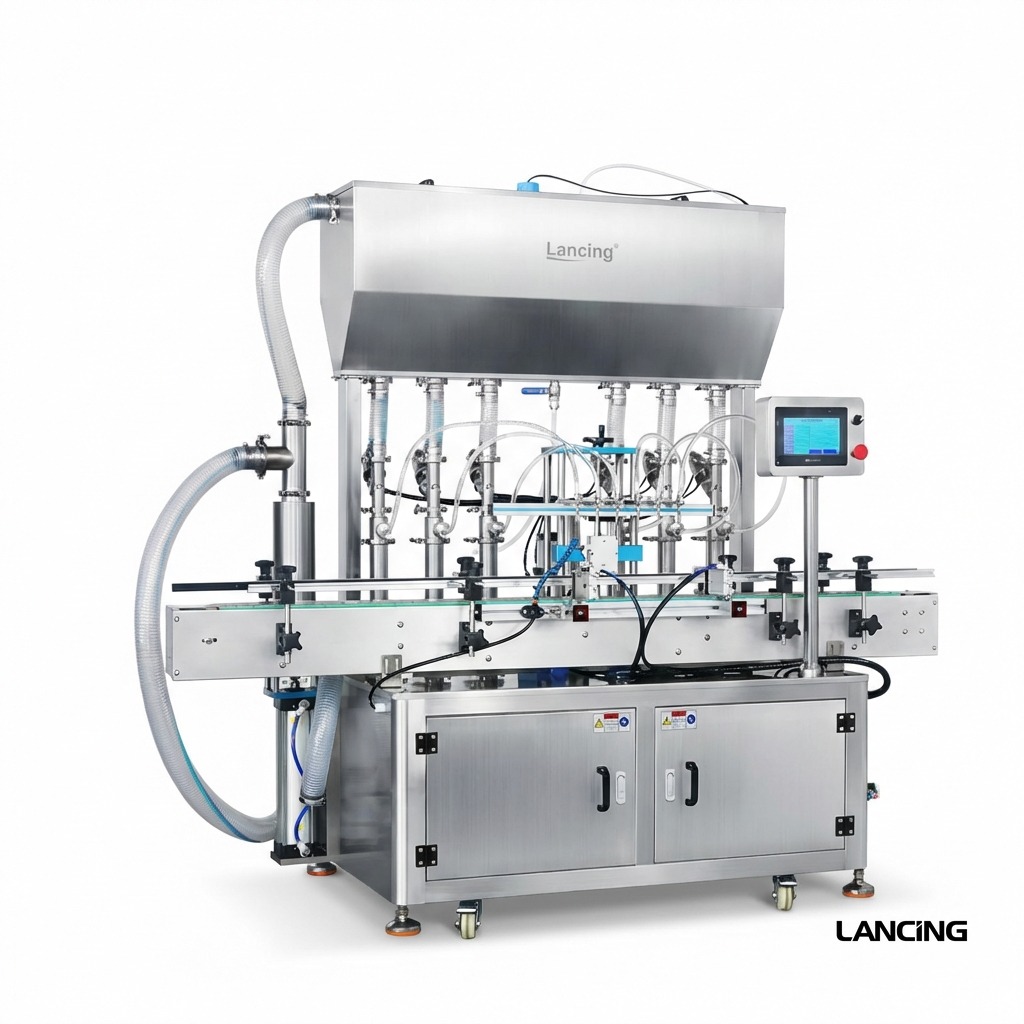
Filling systems for creams, gels, sauces, adhesives and other thick products where feed method, valve design, nozzle cut-off and cleaning matter as much as the nominal fill volume.
Application fit
The machine should be selected as a complete product-and-pack system, not from fill volume alone.
Specification priorities
The same nominal fill volume can require a very different solution when product behaviour, pack geometry or cleaning changes.
Some products change dramatically with temperature or shear, so the feed and dosing route must match production conditions.
Pieces, fibres or particulates affect valve bore, nozzle diameter, product path and whether a standard piston arrangement is suitable.
Shut-off, suck-back or positive cut-off helps control strings and keeps the bottle neck and conveyor clean.
Hopper, cylinder, valve block, hose and nozzle should be considered as one product-contact system.
Filling routes
Use the filling principle as a shortlist, then verify it with the actual formulation and representative bottles. Headline technology names do not replace product trials.
| Configuration | Practical role |
|---|---|
| Piston volumetric | A measured cylinder stroke displaces a repeatable volume and can handle a broad viscosity range. |
| Rotor-lobe or positive-displacement pump | A controlled pumping route for products that need gentle transfer or a continuous supply. |
| Heated or mixed hopper | Can help keep temperature-sensitive products consistent where the formulation permits it. |
| Servo multi-head system | Recipe control, synchronised dosing and automatic bottle indexing for higher output requirements. |
Typical products
These examples indicate where the route may be considered; the actual product and container still need to be reviewed.
A potential application for paste bottle fillers, subject to product and pack assessment.
A potential application for paste bottle fillers, subject to product and pack assessment.
A potential application for paste bottle fillers, subject to product and pack assessment.
A potential application for paste bottle fillers, subject to product and pack assessment.
A potential application for paste bottle fillers, subject to product and pack assessment.
A potential application for paste bottle fillers, subject to product and pack assessment.
Project route
A structured review prevents the filler, bottle control and downstream machines from being specified in isolation.
Confirm viscosity, foam, particles, temperature, compatibility and cleaning.
Review bottles, necks, closures, labels and stability using representative samples.
Agree batch size, target rate, operators, changeovers and future growth.
Freeze layout, interfaces, utilities, guarding, tests, installation and training scope.
Related planning
Use these pages to compare adjacent machine routes and prepare a more accurate enquiry.

Compact operator-loaded machines for shorter production runs.
Explore Semi-automatic fillers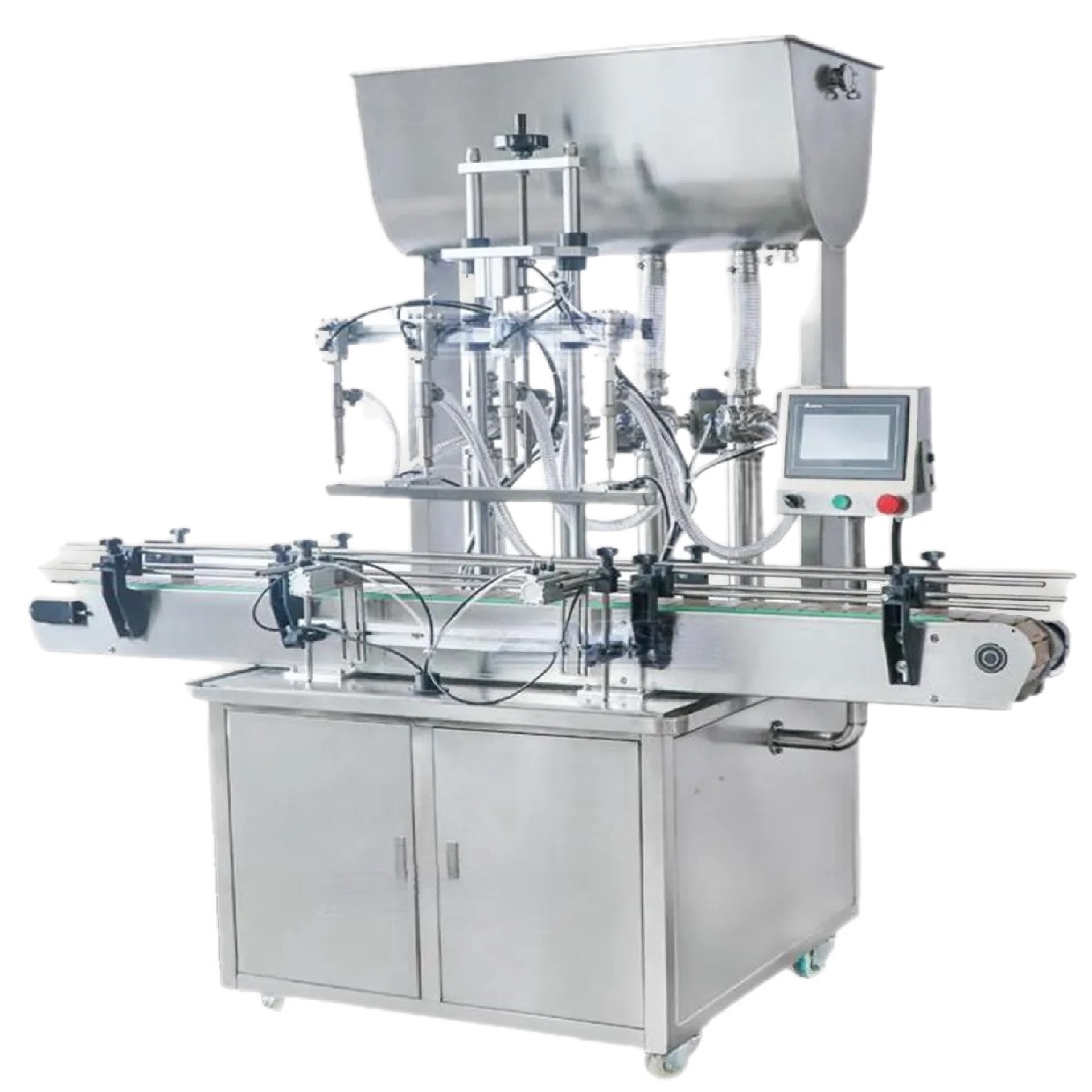
Conveyorised multi-head filling for repeat production.
Explore Automatic bottle fillersApplication guidance for products that string, tail or need hopper handling.
Explore Sauces, creams & viscous productsQuestions
Practical answers for early project planning.
A piston or other positive-displacement route is often considered first, but the correct answer depends on viscosity at production temperature, particles, aeration, dose range and cleaning requirements.
Representative volumetric systems can be configured with heated or mixed hoppers. Product suitability, temperature control, guarding and clean-down requirements must be confirmed.
Correct nozzle bore, a positive shut-off or suck-back action, suitable fill speed and the distance between nozzle and product can reduce tails. Trials with the actual product and bottle are recommended.
Possibly, but very wide fill ranges may require different cylinders, pumps, nozzles or recipes. Confirm the minimum, maximum and most common volumes at enquiry stage.
Lancing Ltd can compare the practical bottle filling routes and confirm the right next step before quotation.
Bottle and nozzle fit
A paste filler needs more than enough force to move the product. The pack must accept the nozzle, remain stable during the dose and leave the filling position without strings or drips reaching the shoulder, thread or label panel.
Check the smallest opening and shoulder geometry against the nozzle body, shut-off mechanism and any required insertion.
Assess whether the empty container needs a nest, guide, puck or controlled stop while the product enters.
Review suck-back, rotary or positive shut-off options only after seeing how the real product tails at production temperature.
These guides isolate the pack variables that can change an otherwise suitable filling-machine route.
Positive-displacement route
A piston system can suit pumpable products where a physical displacement, controlled product path and decisive nozzle cut-off are important. Confirm the practical cylinder range, valve path, product feed, particles, temperature, stringing and cleaning method.
The nozzle is only the final part of the path. Representative trials should include cylinder draw, valve transfer, discharge, stop and restart.
Verified semi-automatic example
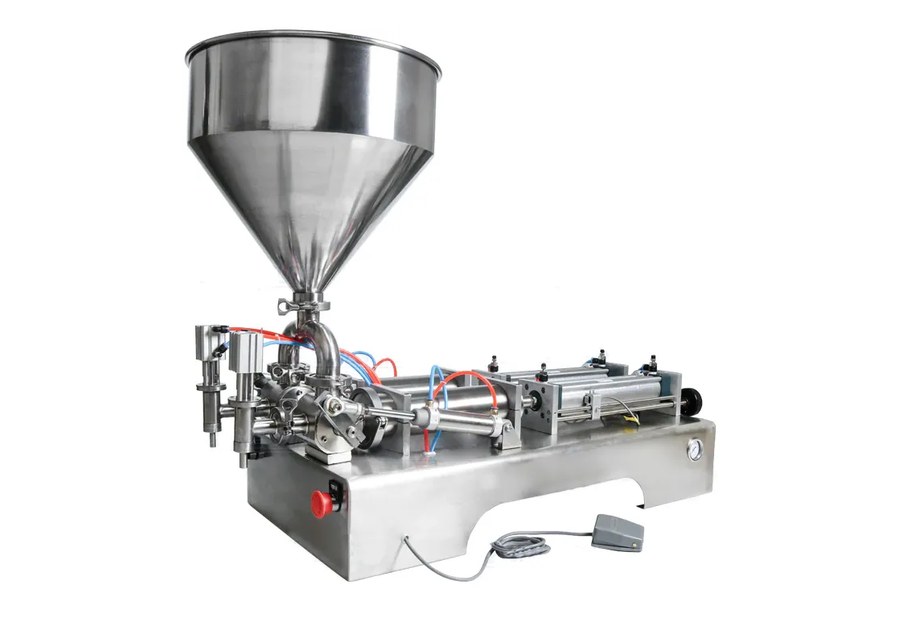
The LU-GT1V is a fully pneumatic hopper-fed route. Its reference modules cover 5–1000ml, but product behaviour, module selection, operator cycle and cleaning must be confirmed together.
Sweet and particulate products
Different thick products create different acceptance tasks. Honey or syrup may expose refill and stringing issues, while a recipe containing pieces can pass through a machine but suffer unacceptable ingredient damage or separation. State the product condition and finished-product requirement before comparing heads, hopper sizes or automation.
| Product feature | Add to the trial | Supporting route |
|---|---|---|
| Sticky tail after dispensing | Inspect the neck before cap application and after a pause | Honey and syrup filling |
| Seeds, fibres or pieces | Compare the ingredient condition before and after the complete path | Products with particles |
| Food-contact approval | Connect the installed components to the actual use conditions | Food-contact evidence |