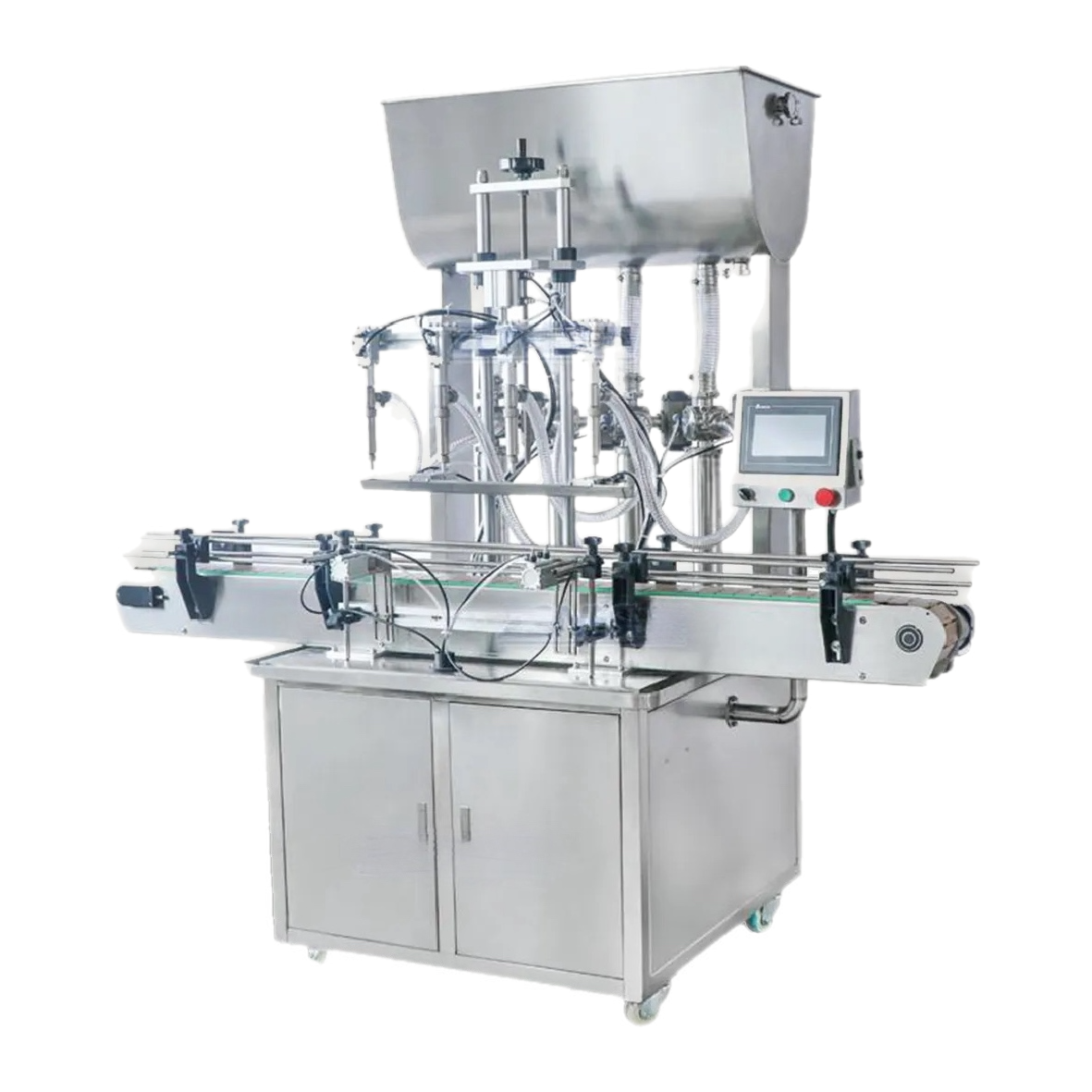
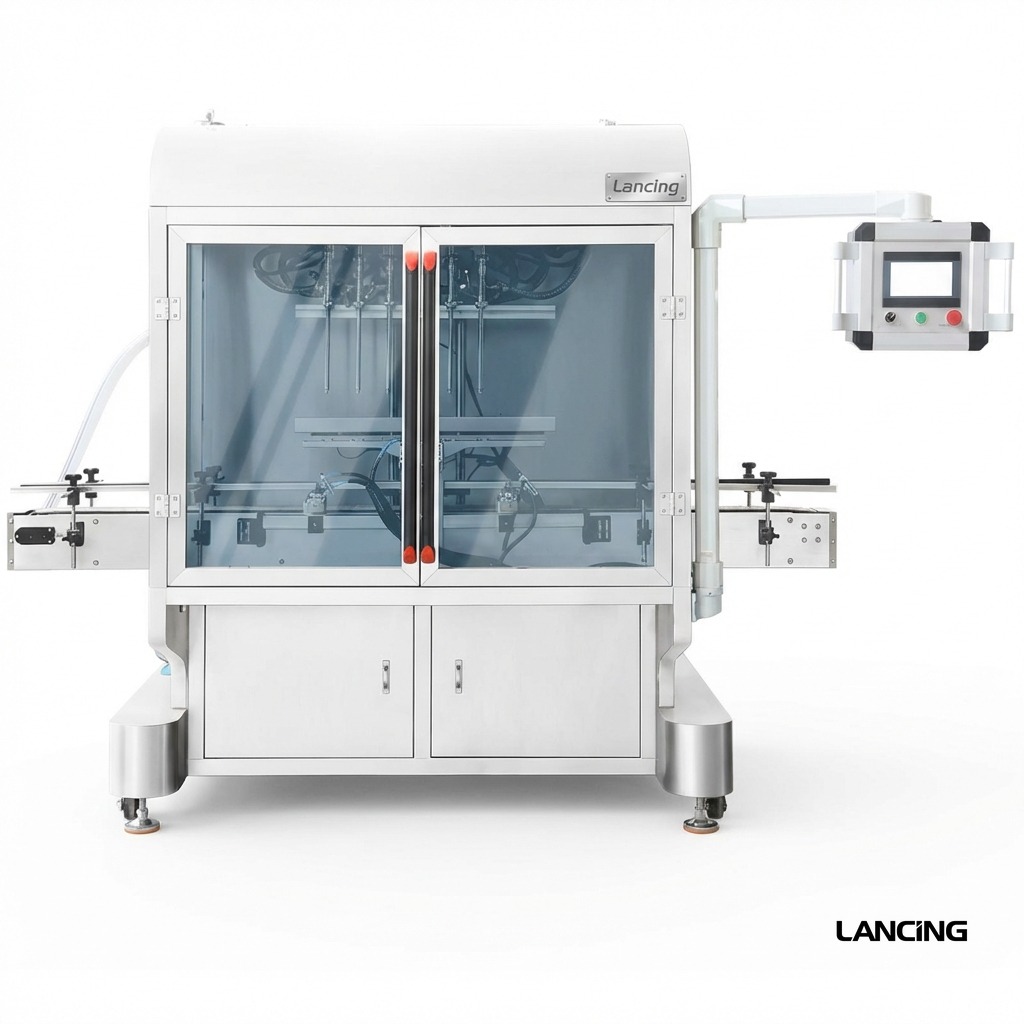
Liquid Bottle Filling Machines
Bottle fillers for water-like liquids, oils, detergents, cosmetics and other pourable products, selected around viscosity, foam, drip control, bottle stability and output.
Explore Liquid Bottle Filling MachinesBottle filling machinery
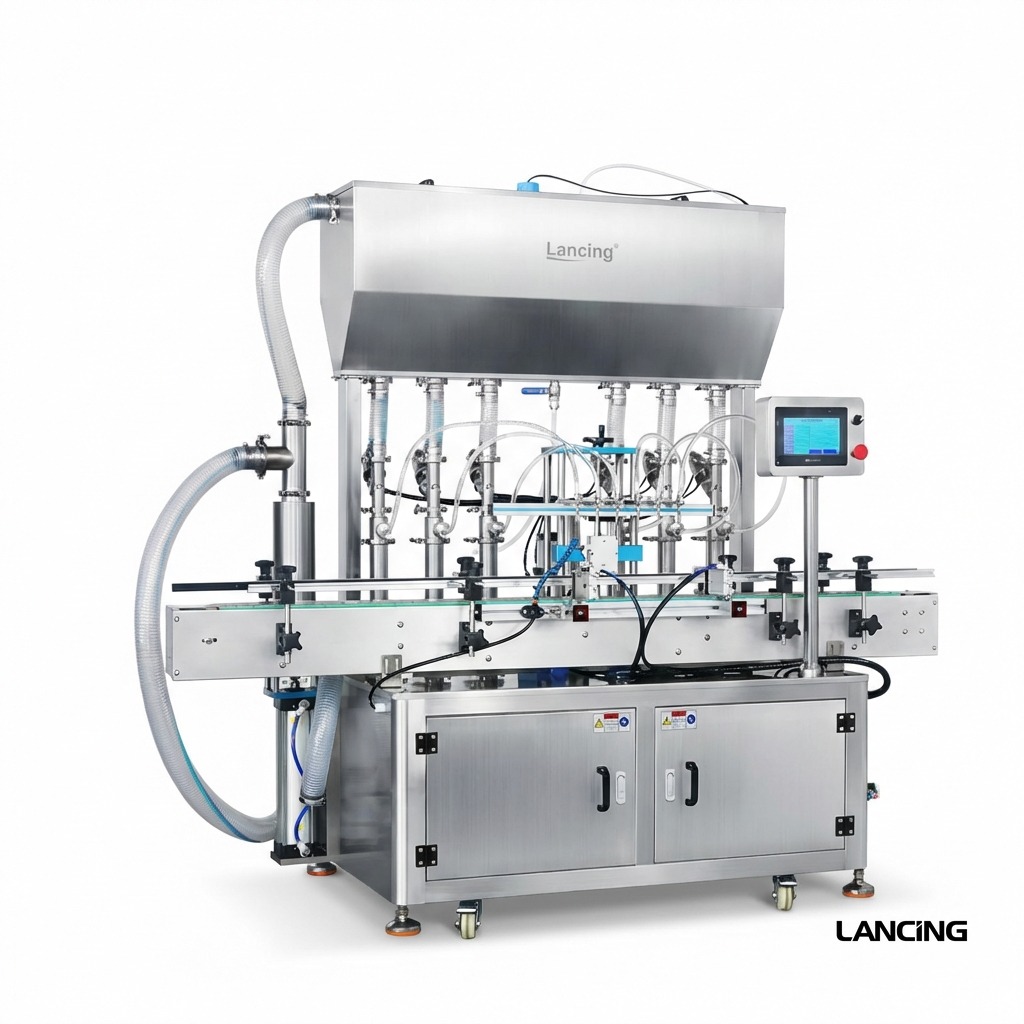
Compare filling principles and automation levels for liquids, pastes, chemicals, small bottles and complete bottling lines.

All machine routes
Each page explains the likely fit, selection risks and information needed for a useful quotation.

Bottle fillers for water-like liquids, oils, detergents, cosmetics and other pourable products, selected around viscosity, foam, drip control, bottle stability and output.
Explore Liquid Bottle Filling Machines
Filling systems for creams, gels, sauces, adhesives and other thick products where feed method, valve design, nozzle cut-off and cleaning matter as much as the nominal fill volume.
Explore Viscous & Paste Bottle Filling Machines
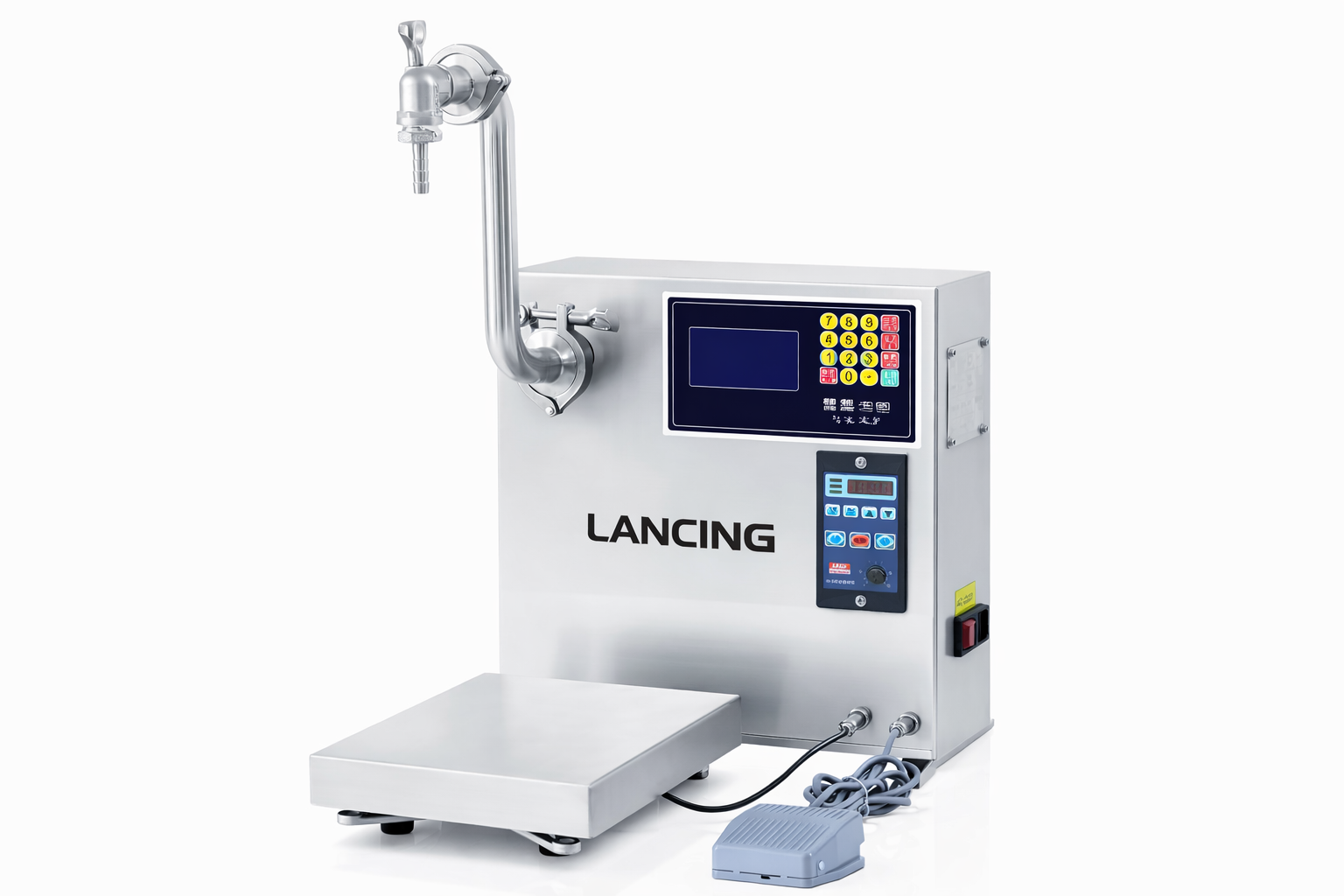
Operator-loaded bottle fillers for controlled, repeatable dosing without the footprint and bottle-handling complexity of a fully conveyorised line.
Explore Semi-Automatic Bottle Filling Machines
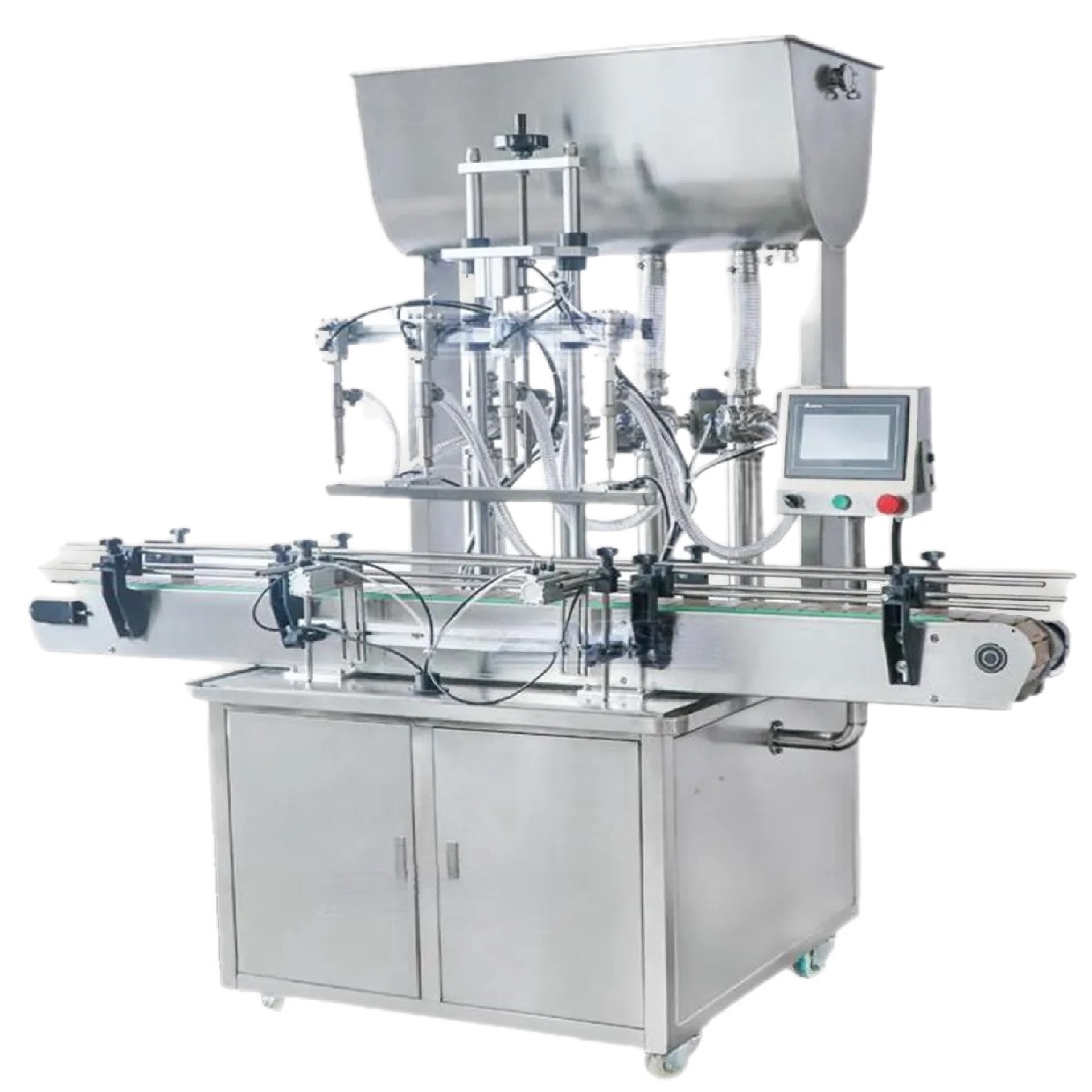
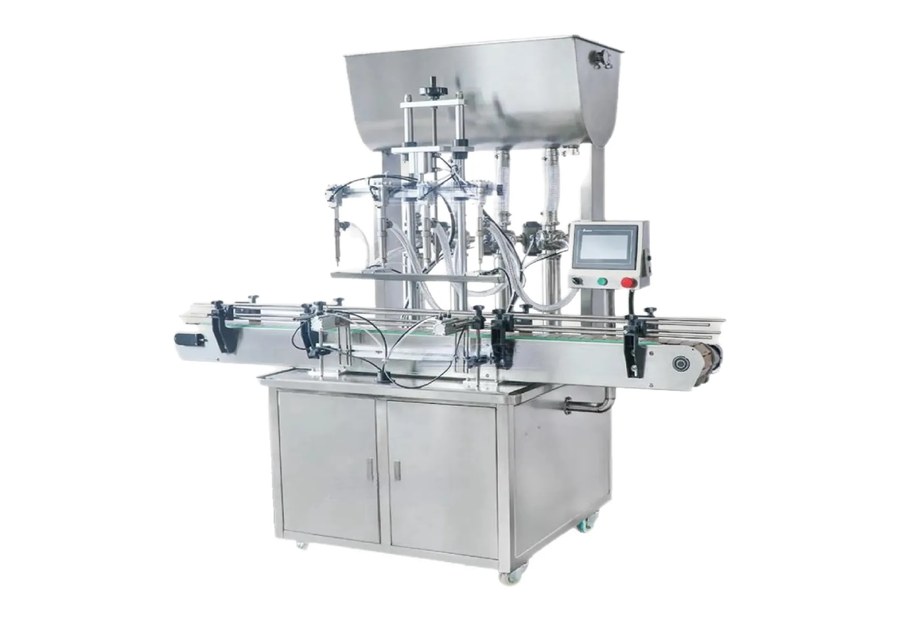
Conveyorised bottle filling equipment for repeatable production, using controlled bottle spacing, multi-nozzle dosing and interfaces for upstream and downstream machinery.
Explore Automatic Bottle Filling Machines
Positive-displacement bottle filling systems that meter a defined volume, with cylinder or dosing-module selection matched to the required fill range.
Explore Volumetric Bottle Filling Machines
Tubing-based filling for applications that benefit from a defined product-contact path, straightforward product changeover and precise control of smaller doses.
Explore Peristaltic Bottle Filling Machines
Pump-based fillers selected around liquid compatibility, flow behaviour and the required control method, from compact stations to automatic multi-pump lines.
Explore Gear & Diaphragm Pump Bottle Fillers
Bottle filling systems that target a uniform visible level, often chosen for clear rigid bottles where presentation across the finished pack is important.
Explore Overflow & Vacuum Bottle Filling Machines
Chemical filling projects need the tank, pump, tubing, valves, seals and nozzles treated as one product-contact system, with separate assessment for operator exposure and hazardous areas.
Explore Corrosive Chemical Bottle Filling Machines
Compact filling equipment for small containers where low dose, narrow openings, bottle stability and clean nozzle cut-off drive the machine design.
Explore Small Bottle Filling Machines
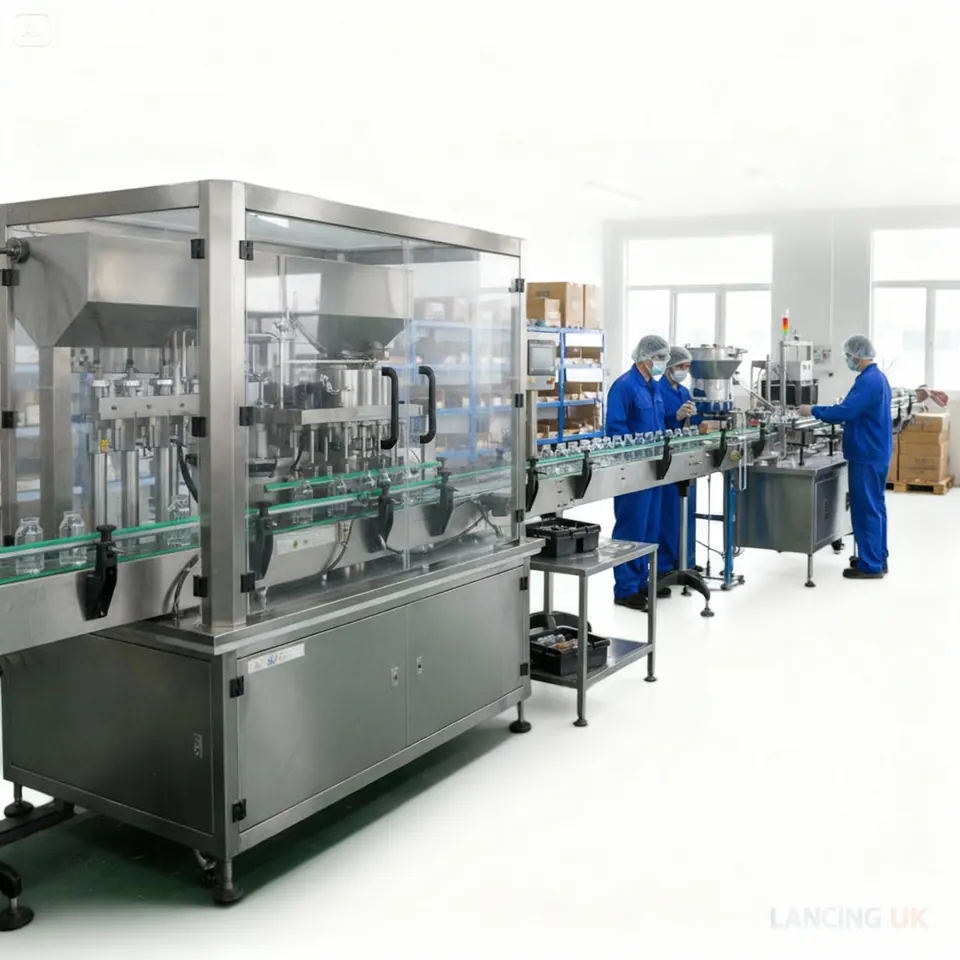
Integrated bottling systems planned around the product, bottle, closure and target output rather than treating the filler as an isolated machine.
Explore Complete Bottle Filling LinesSelection sequence
Keep the selection process anchored to representative samples and measurable production requirements.
Record viscosity, foam, particles, temperature, density and compatibility.
List every bottle, neck, closure, label and declared volume.
Define batches, output, operators, shifts, changeovers and cleaning.
Agree trials, line interfaces, acceptance criteria and documentation.
Questions
The most common early-stage range questions.
Compare them using the actual product, complete fill range, bottle and closure set, output target, cleaning method, changeover time, utilities and connected machinery. A headline speed alone is not a reliable comparison.
Yes. The range covers free-flowing liquids, foaming liquids, oils, creams, gels, sauces, pastes, small doses and selected aggressive chemicals.
Product and bottle trials are often the best way to confirm nozzle behaviour, foam, stringing, cycle time and clean-down. The trial scope and acceptance criteria should be agreed in advance.
Lancing Ltd can compare the practical bottle filling routes and confirm the right next step before quotation.
Bottle-led machine selection
A filling principle can suit the product yet still fail the project if the production bottles cannot be presented, stopped and released consistently. Use the bottle set to filter the machine range before comparing head count or headline output.
Confirm empty-bottle stability, orientation and how containers reach the filling position.
Check neck opening, shoulder geometry, headspace and whether the nozzle must travel during the fill.
Plan the transfer to capping or sealing without product on the neck, thread, label panel or conveyor.
These guides isolate the pack variables that can change an otherwise suitable filling-machine route.
Comparable machinery evidence
Different filling principles can appear suitable when they are judged only by product name and nominal volume. A stronger comparison uses the same bottle set, product condition, operating sequence and acceptance method for every route. That exposes where a machine depends on bottle support, nozzle travel, priming, operator handling or a narrower practical dose range.
| Comparison question | Evidence to use | What the answer should clarify |
|---|---|---|
| Can the complete dose range be covered? | Minimum, usual and maximum fills in the production bottles | Whether one setup is practical or separate dosing hardware, recipes or change parts are needed |
| Can every bottle be presented reliably? | Smallest opening, least stable empty bottle and normal dimensional variation | Whether direct handling, fixtures, pucks, guides or alternative indexing should be considered |
| Can the required finish be maintained? | Headspace, visible level, neck cleanliness and label-area requirements | Whether nozzle position, diving movement, cut-off and drip collection suit the finished pack |
| Can production recover from normal interruptions? | Start, stop, restart, low-product and format-change scenarios | Whether controls, priming and bottle logic support repeatable good output |
| Can the result be verified consistently? | Agreed volume, mass or fill-level check and sampling plan | How trials and acceptance will distinguish dosing performance from bottle variation |
Use the fill accuracy and dose verification guide to define what will be measured and under which product conditions.
Use the bottle material, neck and handling guides to identify the formats that create the greatest access or stability risk.
Use the trial, FAT and SAT guide to compare proposals against repeatable production scenarios.
Additional filling routes
These routes add distinct options to the existing liquid, pump, peristaltic, overflow, volumetric and paste-filling pages.

Assess controlled gravity delivery, product head, foam, bottle neck and quantity-versus-level acceptance.
Explore gravity filling
Review cylinder range, valve path, product feed, particles, nozzle cut-off and cleaning.
Explore piston filling
Define tare handling, coarse and fine feed, settling, stable weighing and independent verification.
Explore net-weight fillingMachine comparison questions
A fair comparison uses the same product, bottle range, acceptance method and production sequence for every proposed machine route.
Quantity-led routes meter or verify an amount, for example by displacement, pump movement, flow measurement or net weight. Fill-to-level routes stop when the liquid reaches a defined height in the bottle. The correct comparison depends on whether the accepted result is quantity, mass, visual level or a combination of these.
Bottle internal-volume variation can change the relationship between an equal visible level and an equal quantity.
Empty-bottle tare matters most when the fill is controlled or verified by net weight. Variation in empty-bottle mass, the method used to establish tare and the stability of the weighing station can all affect the measurement sequence. A project should define whether each bottle is tared individually or an agreed tare method is used.
The legal or quality owner must also define the verification method independently of the machine proposal.
Bottle handling can become the limiting stage when empty containers are light, unstable, flexible, difficult to sense or slow to settle beneath the nozzles. Increasing pump or nozzle capacity does not create more accepted bottles if the line cannot present, release and transfer each bottle reliably.
Indexing, guide pressure, pucks, sensors and downstream back-pressure should be included in the output trial.
Compare inline and rotary layouts when required output, available footprint, bottle-format range, changeover frequency and connected operations could justify different container-control architectures. Neither layout is automatically superior; the useful question is which one can demonstrate the required good output across the real pack matrix.
Include maintenance access, future expansion and integration with existing machinery in the comparison.
Specific machine routes
These pages connect the existing machine-family guidance to specific Lancing references and a distinct large-bottle requirement.
Published 500–5000ml reference route with servo-driven magnetic pumps.
Review modelLifting nozzles, PLC control and bottle detection for suitable liquid applications.
Review modelHopper-fed operator station for suitable paste and liquid products.
Review modelCompare semi-automatic, pump, piston, weight and automatic solutions.
Compare routesBottle-led selection
Container material, process temperature and production scale can change the practical route even when the nominal fill volume stays the same.
Compare PET, HDPE and glass handling before confirming guides, nozzle positions and change parts.
Bottle material guideHot filling needs a process review covering product supply, bottle heat resistance, closure timing and cooling.
Hot-fill machine guideUse batch size and operator workload to decide whether semi-automatic or automatic handling is justified.
Small-batch filling guide