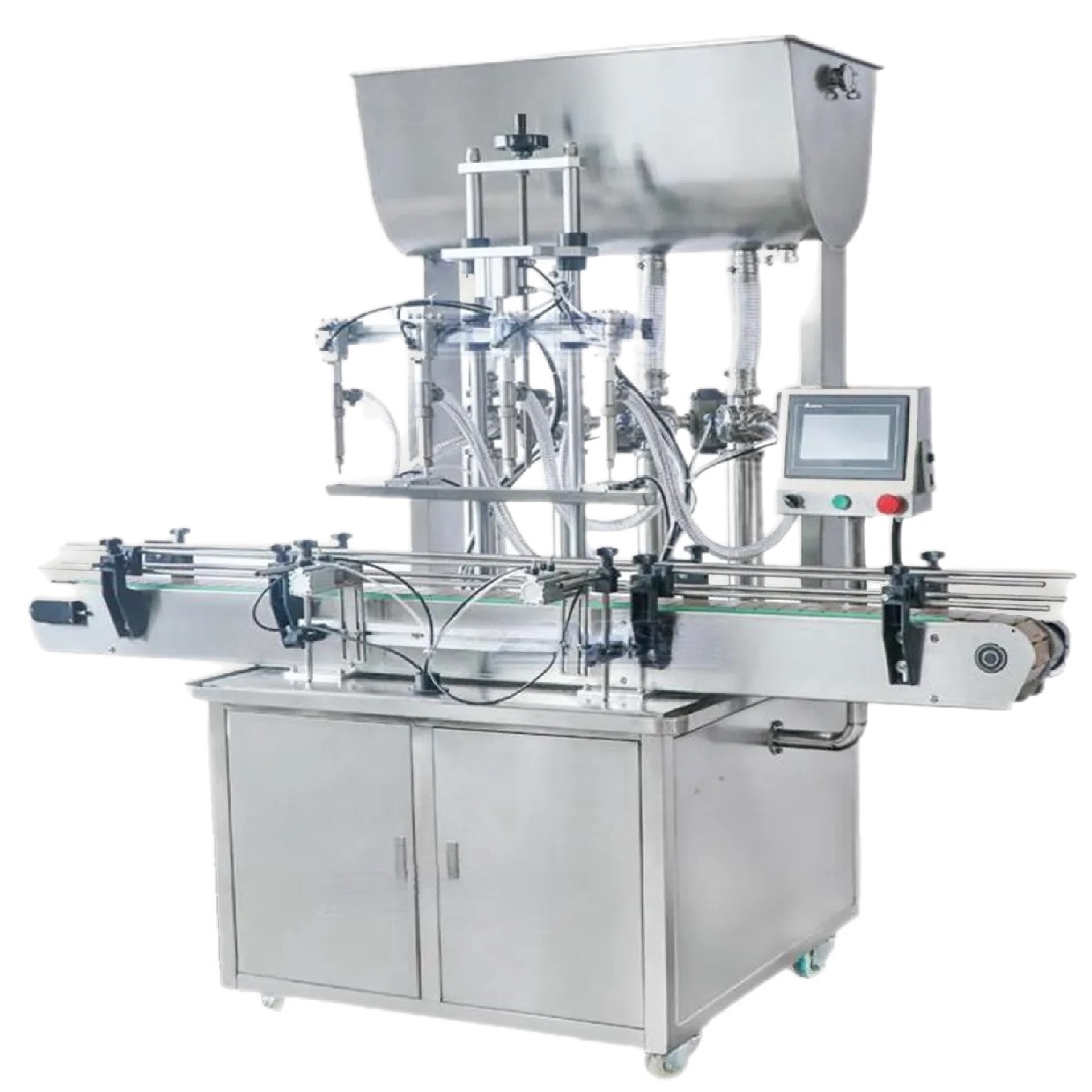
Bottle filling machinery • Engineered and supplied by Lancing Ltd

Hot-fill selection guide

How Should a Hot-Fill Bottle Filling Machine Be Specified?

Hot filling changes more than the filler. Product temperature, bottle heat resistance, fill presentation, closure timing, cooling and product supply all need to be treated as one process before a machine is selected.

Automatic bottle filling machine for a heated product filling project

Direct answer

Hot-fill machinery must be specified around the complete thermal bottle process

A hot-fill bottle filling machine should be selected only after the product temperature window, bottle and closure heat resistance, required fill range, product behaviour, cooling route and cleaning method are defined. The filling principle may be similar to a cold-fill machine, but heat changes viscosity, foam, seal condition, bottle stability and the demands placed on tanks, hoses, pumps and nozzles.

What does hot filling change at the filler?

Temperature can alter how quickly a product flows, how it strings or foams and how much product remains on the nozzle after shut-off. Heated product can also transfer heat into the bottle neck and closure area. The trial therefore needs to reproduce the intended product temperature rather than using a convenient room-temperature substitute.

Which bottles can be hot filled?

Only bottles and closures confirmed for the intended filling and post-fill temperature should be used. Glass and heat-resistant plastic formats may be suitable in some processes, while other containers can soften, distort, panel or lose dimensional stability. The bottle and closure supplier should confirm the intended thermal duty.

Compare PET, HDPE and glass bottle considerations.

Define the process before choosing the machine

  • Normal product temperature at the filler inlet, not only at the cooker or mixing vessel
  • Minimum, normal and maximum fill volume
  • Bottle material, wall construction, neck finish and closure
  • Allowed fill-level variation and acceptable neck cleanliness
  • Time between filling, capping and any cooling stage
  • Product-supply tank, transfer pump, pipework and recirculation arrangement
  • Cleaning method and changeover between products

Why product supply matters

A heated filler can only remain repeatable when the product reaches it under controlled conditions. Long uninsulated pipe runs, changing tank level, intermittent pump flow or uncontrolled recirculation can change the condition of the product presented to the dosing system.

Plan tanks, pumps and product supply with the filler.

Hot-fill project decisions to verify
DecisionWhy it mattersEvidence to provide
Product temperatureCan alter viscosity, foam, drip and dosing behaviourNormal operating range at the filler inlet
Bottle and closureMust remain dimensionally suitable through filling and coolingRepresentative production packs and supplier thermal guidance
Nozzle movementMay be needed to manage splash, foam or neck contaminationTrial video and bottle-neck condition after filling
Cooling and transferFilled packs can behave differently before they return to ambient conditionsExpected downstream sequence and residence time
CleaningHeated products can create different residue and changeover requirementsProduct-cleaning method and acceptable strip-down

Buyer questions

Common questions about hot-fill bottle filling

Does hot filling always need a special filler?

Not always, but the complete product path must be suitable for the intended temperature. Tanks, pumps, hoses, seals, nozzles, guarding and controls may need different provisions from a cold-fill application. Suitability should be confirmed against the real product, temperature and cleaning regime rather than assumed from the dosing principle alone.

How is foam controlled during hot filling?

Foam control can involve product temperature control, appropriate nozzle diameter, reduced initial flow, diving or bottom-up nozzle movement and sufficient bottle headspace. The correct combination depends on the product and bottle, so a representative trial is more reliable than choosing by viscosity description alone.

Review foam, drip and fill-level control.

Should hot fill be tested with production bottles?

Yes. A representative trial should use the intended bottle, closure and product condition because heat can expose handling and dimensional issues that are not visible with a cold dummy product. Include the smallest neck, lightest bottle and difficult fill level where those are part of the project.

What should be included in a hot-fill machinery RFQ?

Include the product, temperature at filling, bottle and closure samples, fill range, target good output, cleaning method, available utilities, product-supply arrangement and downstream cooling or capping sequence. This allows the machinery route to be assessed as a process rather than as an isolated pump.

Send the product, temperature and bottle together.

Lancing can review the filling principle, pack handling and trial evidence needed before a hot-fill machine is specified.

Need help selecting a filler? Send your product, bottle, fill range and target output. Ask Lancing for a practical machine shortlist.
Request a quoteCall