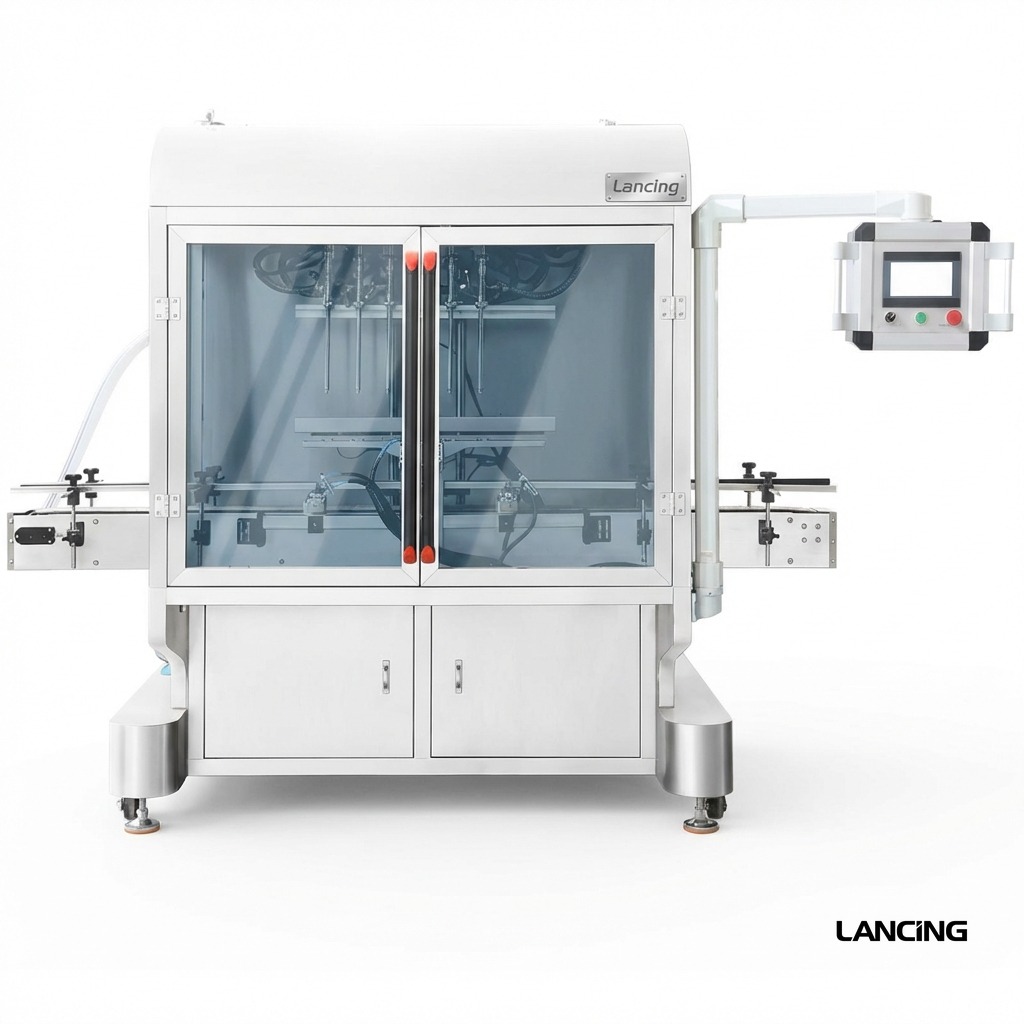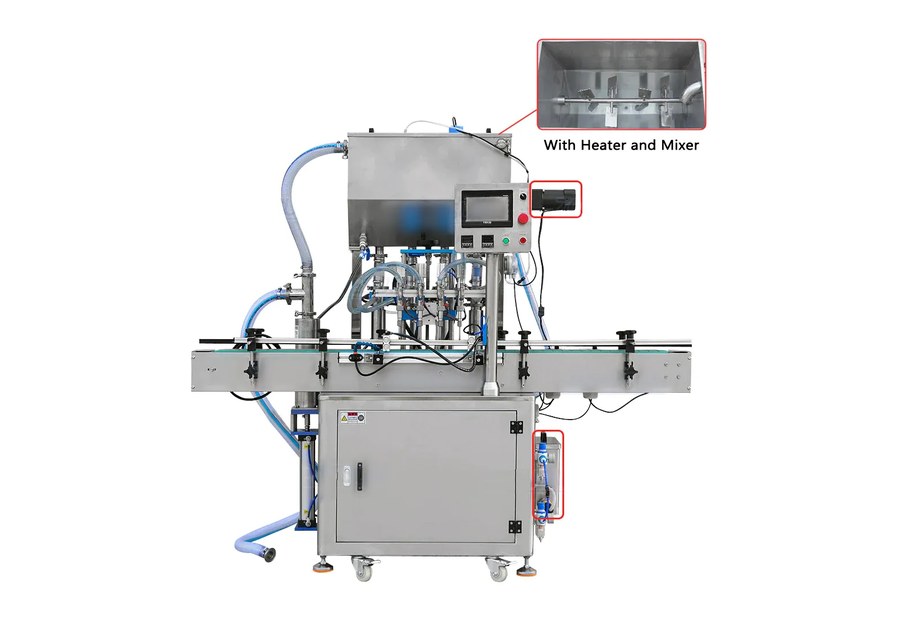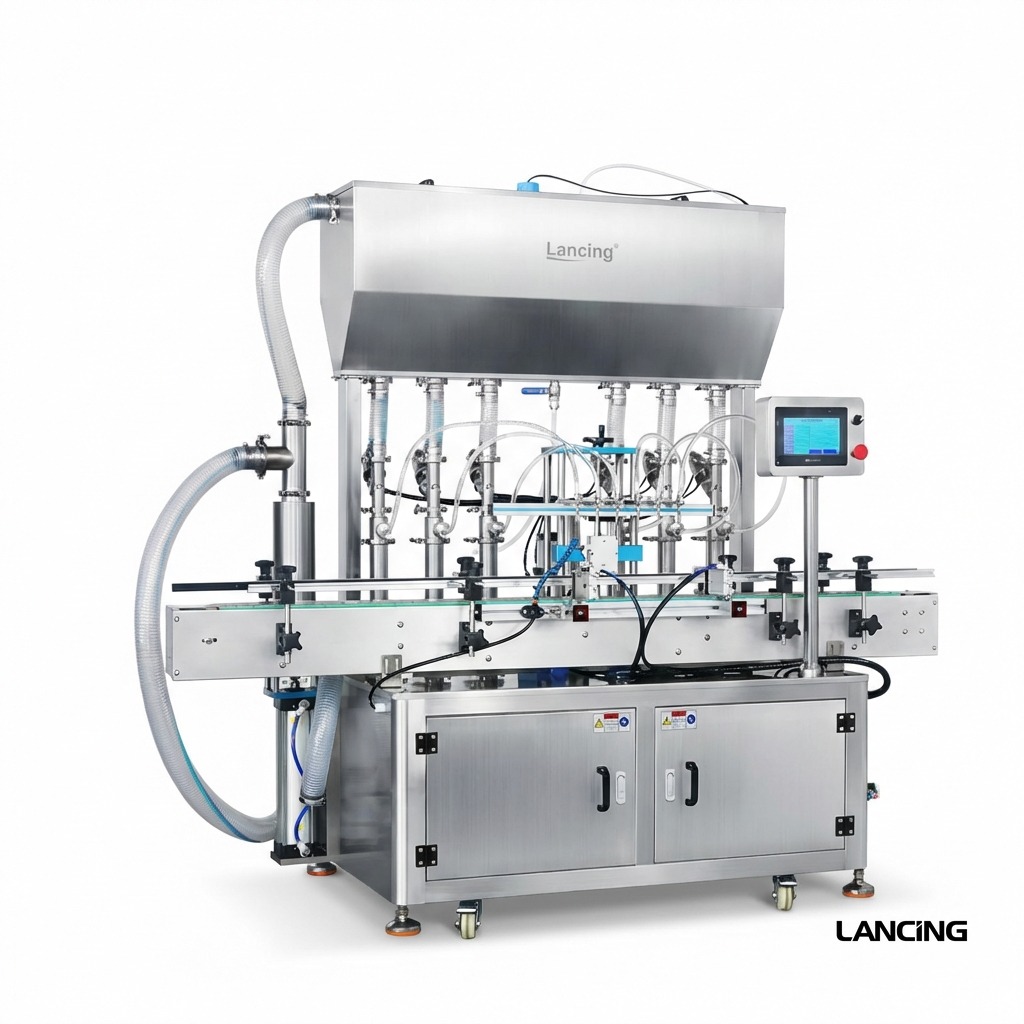
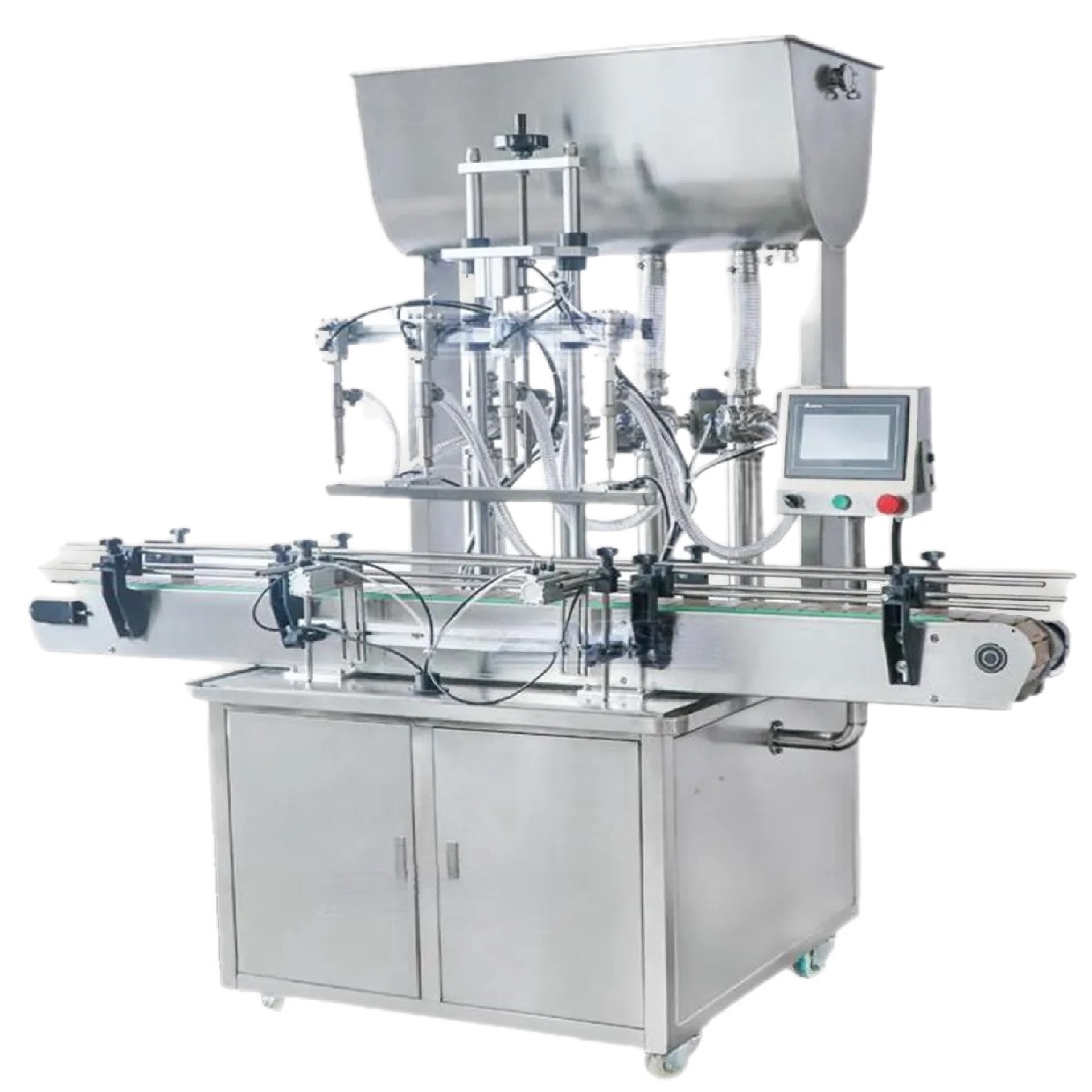
Food & Drink Bottle Filling Machines
Food and drink filling projects must balance product behaviour, hygienic product contact, clean-down, recipe changeover and the presentation of the finished bottle.
Explore Food & Drink Bottle Filling MachinesBottle filling machinery
Explore bottle filling machinery by product sector and formulation behaviour, with practical route comparisons for food, cosmetics, chemicals, small doses, oils and viscous products.

Application sectors
Each application page connects product behaviour, bottle handling and downstream operations to the most credible machinery routes.

Food and drink filling projects must balance product behaviour, hygienic product contact, clean-down, recipe changeover and the presentation of the finished bottle.
Explore Food & Drink Bottle Filling Machines
Cosmetic filling must control foam, strings, drips and product presentation while accommodating decorative bottles, pumps, triggers and frequent recipe changes.
Explore Cosmetics & Personal Care Bottle Filling Machines
Chemical and cleaning products can combine foam, corrosion, fumes, variable viscosity and challenging closures, so product-contact and operator-safety requirements must be set early.
Explore Chemical & Cleaning Product Bottle Filling
Small-dose and regulated applications need precise pack handling, a defined product-contact path and a clear validation strategy; machine suitability depends on the process standard required by the user.
Explore Pharmaceutical & Small-Dose Bottle Filling
Oil filling projects need stable product feed, clean nozzle cut-off, pack handling and realistic cycle times across viscosity and fill-volume changes.
Explore Oil & Lubricant Bottle Filling Machines
Viscous products need a filling route that controls feed, trapped air, particles, temperature and nozzle cut-off while remaining practical to clean between batches.
Explore Sauce, Cream & Viscous Product FillingShared selection logic
Industry labels help organise the search, but machine selection is ultimately based on the actual formulation and pack.
Viscosity, foam, particles, temperature, density, shear and compatibility.
Bottle dimensions, neck, rigidity, stability, tolerances and artwork protection.
Caps, pumps, triggers, plugs, droppers, seals and required torque or placement.
Output, batch pattern, operators, cleaning, changeovers and integration.
Questions
How to use application-led selection without overlooking the engineering details.
Application pages expose the product and pack risks that can be hidden by generic machine categories, such as foam, corrosiveness, particle size, temperature, narrow necks or unusual closures.
Yes. A piston, pump or peristaltic system may be used across industries, but material compatibility, hygiene, documentation and cleaning requirements can be very different.
Representative production product, the full bottle range, closures, inserts and labels are most useful. Samples should reflect normal tolerances rather than only ideal components.
Lancing Ltd can compare the practical bottle filling routes and confirm the right next step before quotation.