Line balance
Each stage must support the target output with enough buffer for normal micro-stoppages and changeovers.

Bottle filling machinery
Integrated bottling systems planned around the product, bottle, closure and target output rather than treating the filler as an isolated machine.
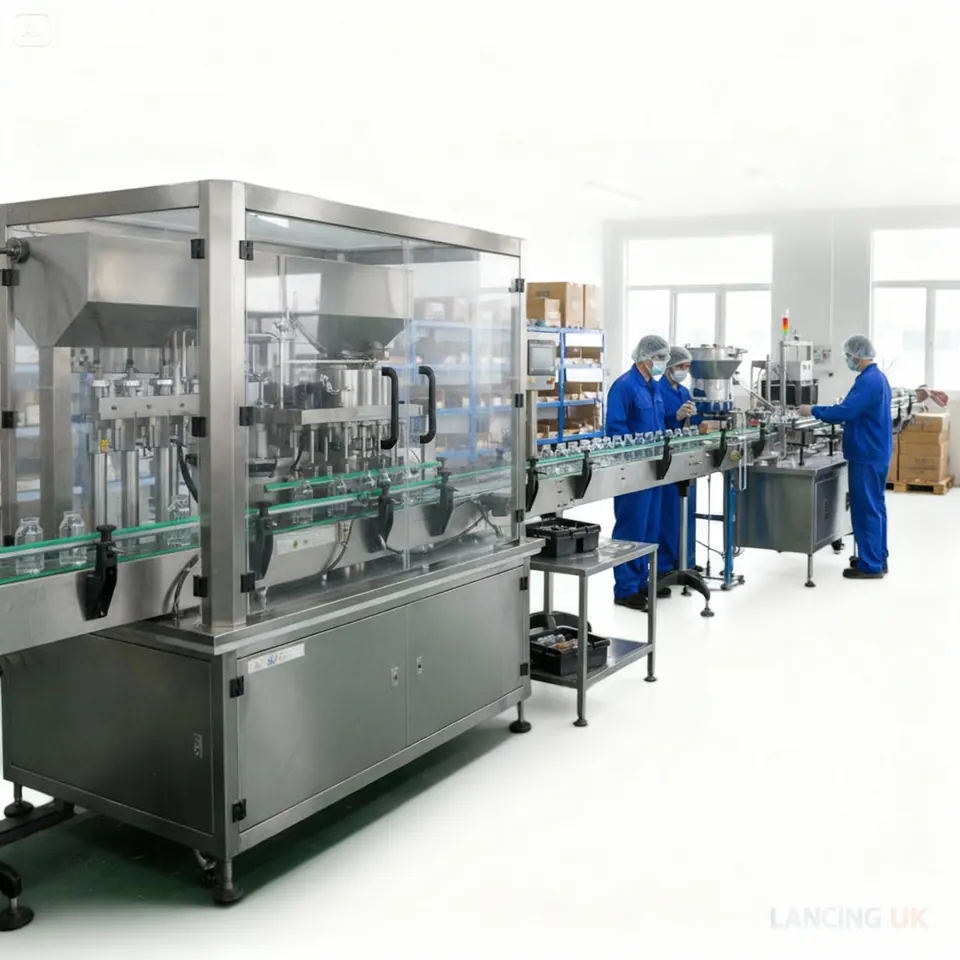
Application fit
The machine should be selected as a complete product-and-pack system, not from fill volume alone.
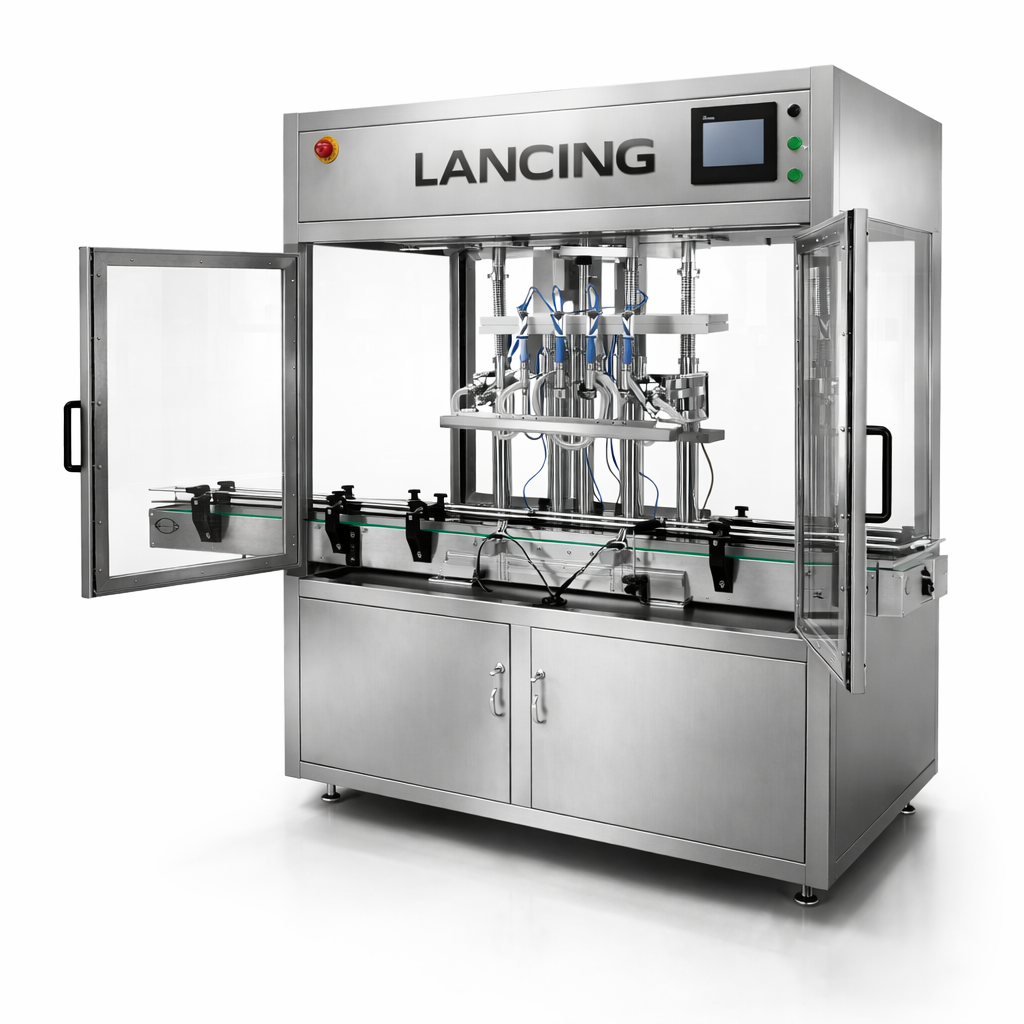
Specification priorities
The same nominal fill volume can require a very different solution when product behaviour, pack geometry or cleaning changes.
Each stage must support the target output with enough buffer for normal micro-stoppages and changeovers.
Unscrambling, rinsing, filling, cap feeding, torque and labelling all depend on the same validated pack set.
Infeed and outfeed buffering can stop one short interruption from immediately stopping the entire line.
Electrical interfaces, guarding, emergency stops, acceptance tests, documentation and installation scope should be defined at quotation.
Filling routes
Use the filling principle as a shortlist, then verify it with the actual formulation and representative bottles. Headline technology names do not replace product trials.
| Configuration | Practical role |
|---|---|
| Bottle preparation | Containers are unscrambled, depalletised, rinsed or air-cleaned where the process requires it. |
| Controlled filling | The filler meters product while bottle gates, sensors and conveyors maintain position. |
| Closure and seal | Caps, pumps, triggers, plugs or induction seals are fed and applied using the correct handling method. |
| Identification and pack-out | Labels, batch codes, inspection and downstream packing complete the line route. |
Typical products
These examples indicate where the route may be considered; the actual product and container still need to be reviewed.
A potential application for complete filling lines, subject to product and pack assessment.
A potential application for complete filling lines, subject to product and pack assessment.
A potential application for complete filling lines, subject to product and pack assessment.
A potential application for complete filling lines, subject to product and pack assessment.
A potential application for complete filling lines, subject to product and pack assessment.
A potential application for complete filling lines, subject to product and pack assessment.
Project route
A structured review prevents the filler, bottle control and downstream machines from being specified in isolation.
Confirm viscosity, foam, particles, temperature, compatibility and cleaning.
Review bottles, necks, closures, labels and stability using representative samples.
Agree batch size, target rate, operators, changeovers and future growth.
Freeze layout, interfaces, utilities, guarding, tests, installation and training scope.
Related planning
Use these pages to compare adjacent machine routes and prepare a more accurate enquiry.
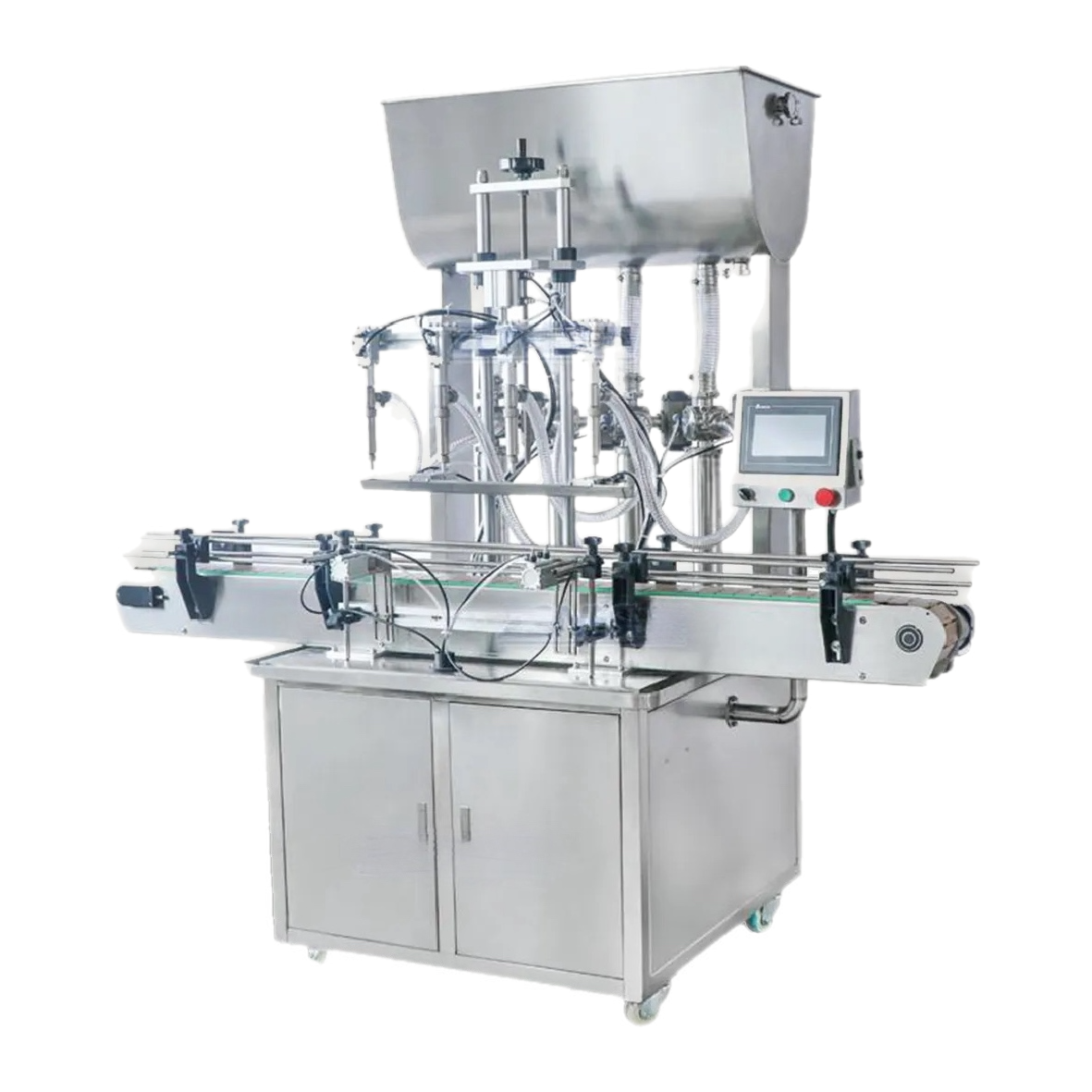
Turn product, pack and output requirements into a useful shortlist.
Explore How to choose a bottle filler
Compare labour, output, changeover and line-integration trade-offs.
Explore Semi-auto vs automatic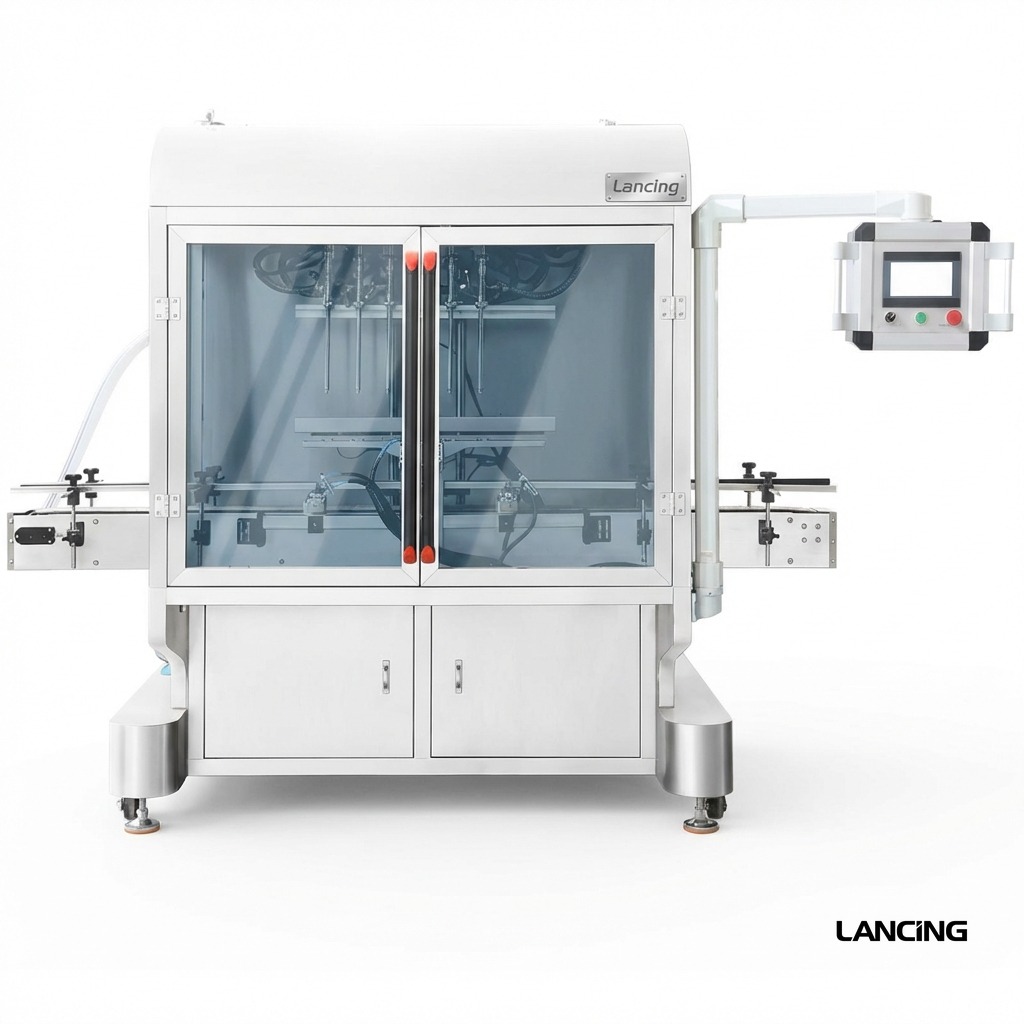
Browse industry and product-led selection guidance.
Explore Bottle filling applicationsQuestions
Practical answers for early project planning.
A line can include bottle unscrambling, rinsing, filling, cap or pump feeding, capping, induction sealing, coding, labelling, conveyors, inspection and accumulation.
It depends on line speed, machine reliability, restart behaviour and available space. The aim is to absorb normal short interruptions without creating excessive work-in-progress.
Yes. A staged plan can start with filling and manual transfer, then add conveyors, closing and labelling. Interfaces and floor layout should be planned from the outset.
An FAT is an agreed test at the supplier before dispatch, using defined products or test media, bottles, closures, speeds and acceptance criteria.
Lancing Ltd can compare the practical bottle filling routes and confirm the right next step before quotation.
Complete bottle journey
A complete line should be specified around good bottles at the discharge, not the isolated cycle rate of the filler. The least stable pack, longest closure cycle and most demanding changeover often determine the sustainable result.
Define unscrambling or manual loading, rinsing, spacing, orientation and the condition in which bottles reach the filler.
Coordinate indexing, nozzle movement, neck cleanliness, cap presentation and bottle restraint.
Plan sealing, coding, labelling, inspection, accumulation and reject handling without losing line balance.
These guides isolate the pack variables that can change an otherwise suitable filling-machine route.
Project lifecycle
A complete line needs one agreed responsibility matrix for delivery, utilities, controls interfaces, safety review, commissioning, acceptance, training, documentation and future maintenance.
Approve access, layout, floor, utilities, product supply, data and connected-equipment interfaces.
Installation and site preparationAgree representative products, packs, operating scenarios, measurements and punch-list rules.
FAT and SAT acceptanceRecord training, recipes, change parts, manuals, backups, spares and service evidence.
Maintenance and troubleshootingLine architecture questions
The line architecture should be selected from bottle flow, quality checks, changeovers and stop behaviour rather than footprint or headline output alone.
A monoblock combines two or more operations on one coordinated machine platform, usually with shared container transfer and controls. Separate linked machines retain distinct frames and controls connected by conveyors and line signals. The trade-off is commonly compact coordination versus modular access, replacement and future expansion.
The project must still define the filling principle, closure process, change parts and acceptance criteria in either layout.
Bottle cleaning is normally positioned after controlled bottle infeed and before filling, with enough transfer control to prevent recontamination or unstable presentation. The exact location depends on whether bottles are inverted, how they are dried or blown out, and how the filler receives them.
Utilities, drainage, extracted air and the treatment of rejected bottles should be included in the line boundary.
Line output is estimated from the sustained rate of the complete operating sequence, not by adding or averaging nameplate figures. The slowest effective stage, transfer losses, planned micro-stops, replenishment, rejects and accumulation behaviour determine the accepted result over the agreed test period.
State whether the target is instantaneous rate, accepted bottles per hour, batch completion time or shift output.
The controls and operating procedure should define whether filled but uncapped bottles are held, cleared, capped manually, rejected or inspected before restart. The correct decision depends on product exposure, foam rise, closure timing and the risk of contamination or mix-up.
Include the scenario in FAT or SAT instead of discovering the response during production.
Complete-line inputs
A complete line starts before the bottle enters the filler. Product tanks, transfer pumps, refill controls and filled-pack movement can determine the achievable good output.
Define source vessel, transfer route, tank level, temperature, air control, cleaning and fault response with the filler.
Plan tanks and pumpsPlan empty-bottle presentation, stable filling, heavy-pack transfer, closure application and finished-pack removal.
Review five-litre fillingInspection interfaces
In a complete line, an uncertain pack can be underfilled, missing a closure, compositionally unrepresentative or associated with an invalid measurement. Define those states separately. The controls should not convert every reject into a request to add more product.
Use the checkweighing comparison to prepare that interface. For food applications, add contact-material documentation and the drink-specific process boundary where relevant.