
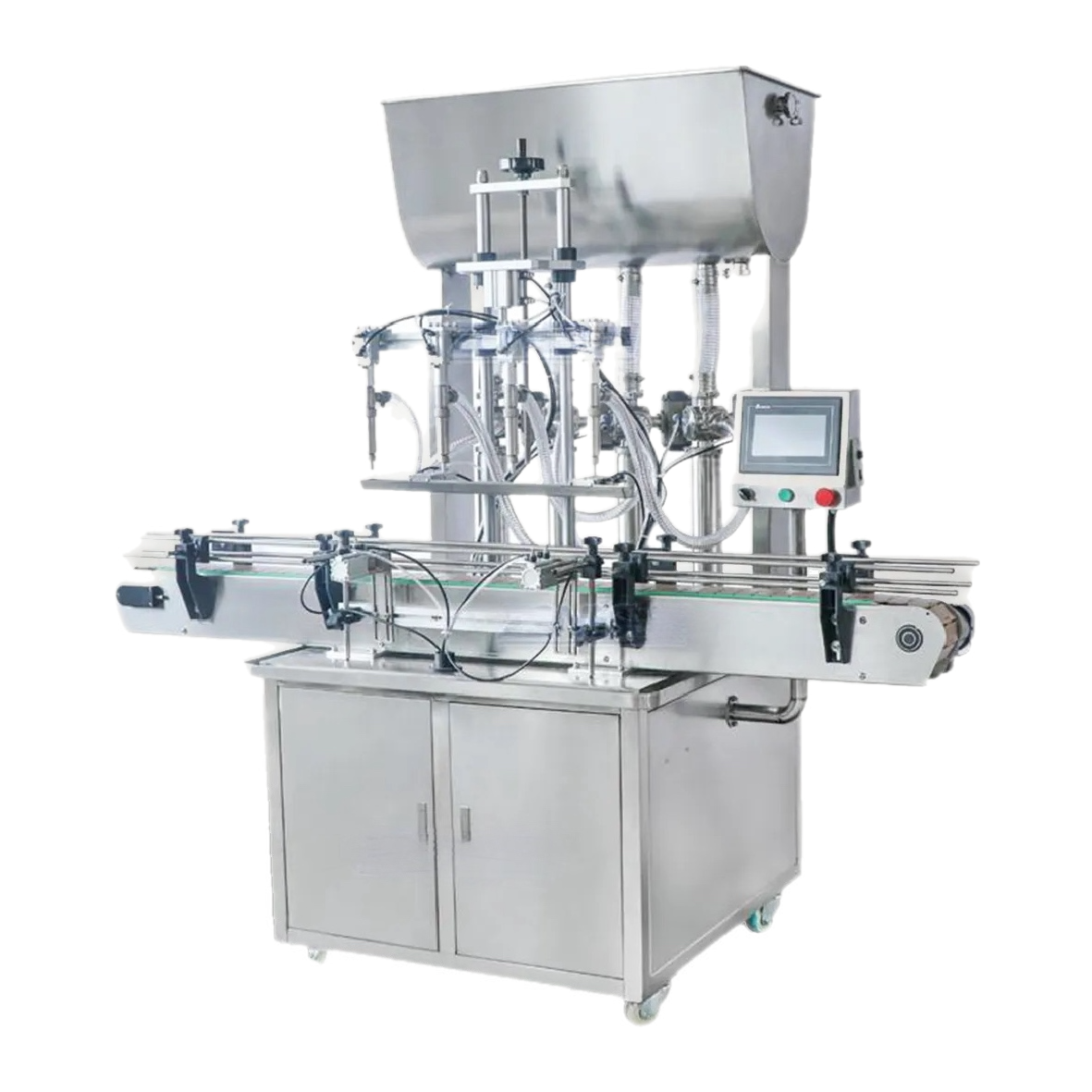
Why the bottle changes the machine
Product suitability is only half of the selection decision
A dosing system can suit the liquid or paste and still be a poor production choice when the bottle cannot be guided, stopped or released consistently. The pack therefore belongs in the engineering specification from the start. Review the empty bottle because that is normally the least stable condition; then repeat the check when filled because weight, centre of gravity and surface condition change.
Bottle material and wall behaviour
Glass and metal containers are generally rigid, while plastic bottles can vary widely with resin, wall distribution, panel design, temperature and mould variation. A guide rail pressure that is harmless to one pack can distort another. Flexible walls can affect neck sealing or vacuum processes, while static and low empty weight can influence feeding and accumulation.
| Pack evidence | Question for the machinery review |
|---|---|
| Material and construction | Is the bottle rigid enough for the proposed guides, stop, neck contact or process pressure? |
| Empty and full weight | Does stability change materially before and after filling? |
| Dimensional tolerance | Can rails, sensors, nozzles and closure tooling accept the normal production range? |
| Surface and decoration | Which areas must be protected from scuffing, product, clamps or conveyor contact? |
Neck finish, opening and shoulder
The closure specification does not always provide the usable opening available to a nozzle. Record the internal opening, neck height, finish or thread, shoulder angle and any internal restriction. This determines whether the nozzle can remain above the bottle, enter the opening or travel towards the base. It also affects splash, foam, fill time and the ability to keep the thread or sealing surface clean.
Base geometry and stability
A tall bottle with a narrow or irregular base can be difficult to accumulate or stop quickly. Asymmetric bottles may need orientation. Recessed or flexible bases can change contact with the conveyor. Test the least stable pack through starts, stops, gaps and transfers rather than assuming that low-speed hand placement represents automatic production.
Representative sample matrix
- The smallest neck opening and lowest bottle
- The tallest bottle and narrowest base
- The lightest empty container
- Any flexible, handled, oval or asymmetric bottle
- Every materially different closure and dip-tube assembly
- Samples from normal production supply, including expected variation
Acceptance evidence
Agree observations that can be repeated during a trial: bottles enter without tipping, locate under the nozzle, maintain clearance, leave with the required neck and label-panel condition, and transfer to the next stage. Where pucks, nests or change parts are proposed, include their identification, adjustment and line-clearance procedure.