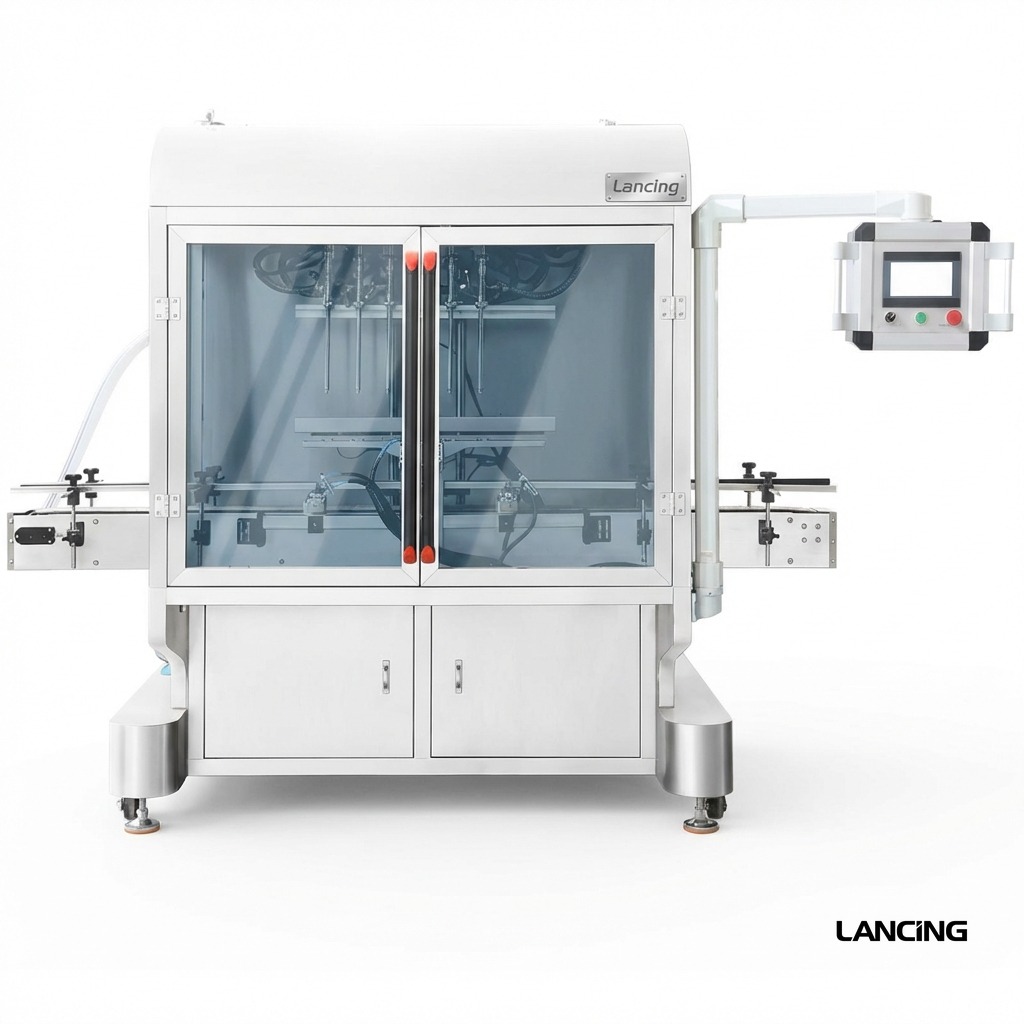
Guide
How to Choose a Bottle Filling Machine
A full selection framework covering product, fill range, bottle, output, cleaning and acceptance.
Explore How to Choose a Bottle Filling Machine
Bottle filling machinery
Practical planning resources for selecting filling technology, choosing the right level of automation, preparing a line layout and setting measurable acceptance requirements.
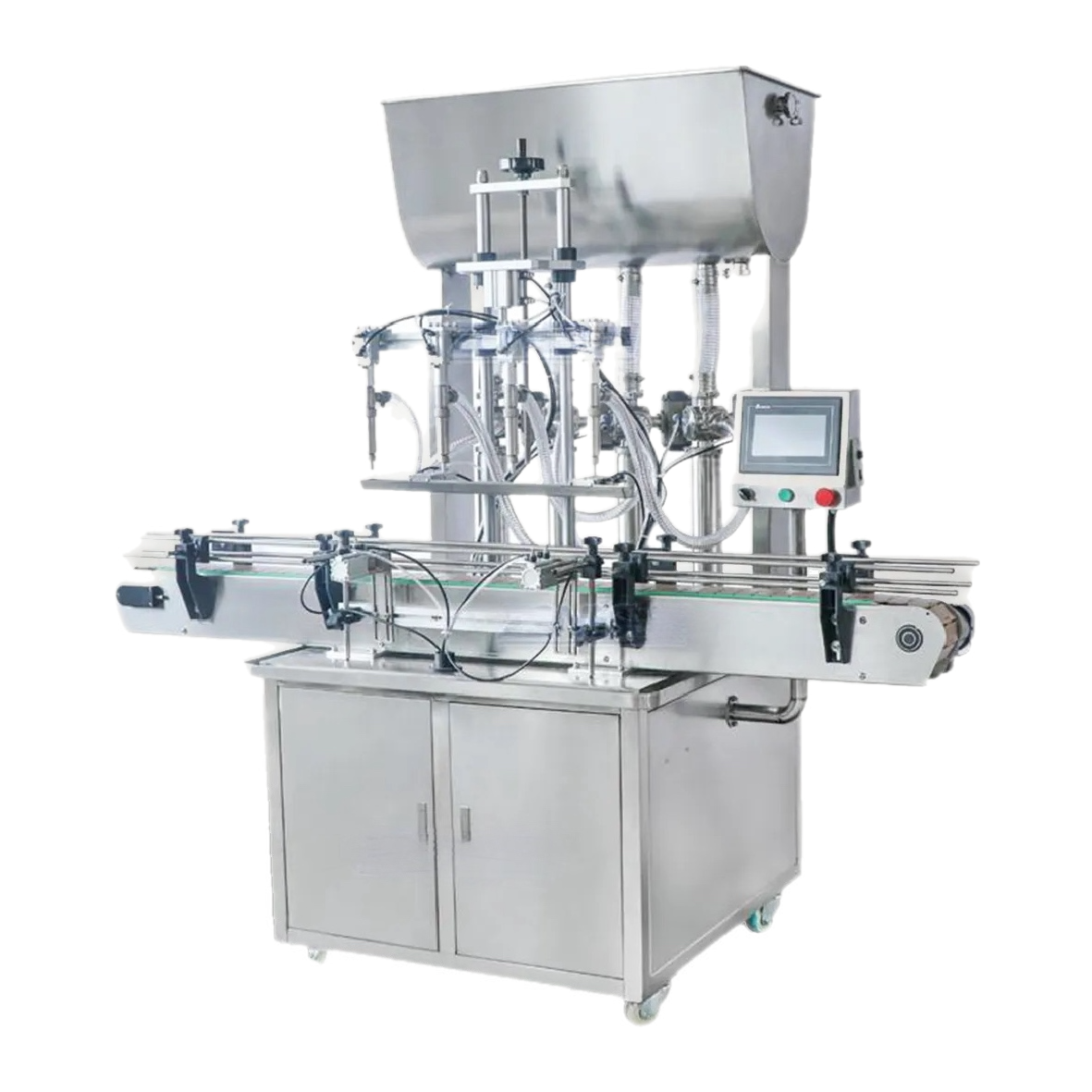
Buyer resources
The guides are organised around the decisions that most affect filling performance and total line capacity.
A full selection framework covering product, fill range, bottle, output, cleaning and acceptance.
Explore How to Choose a Bottle Filling Machine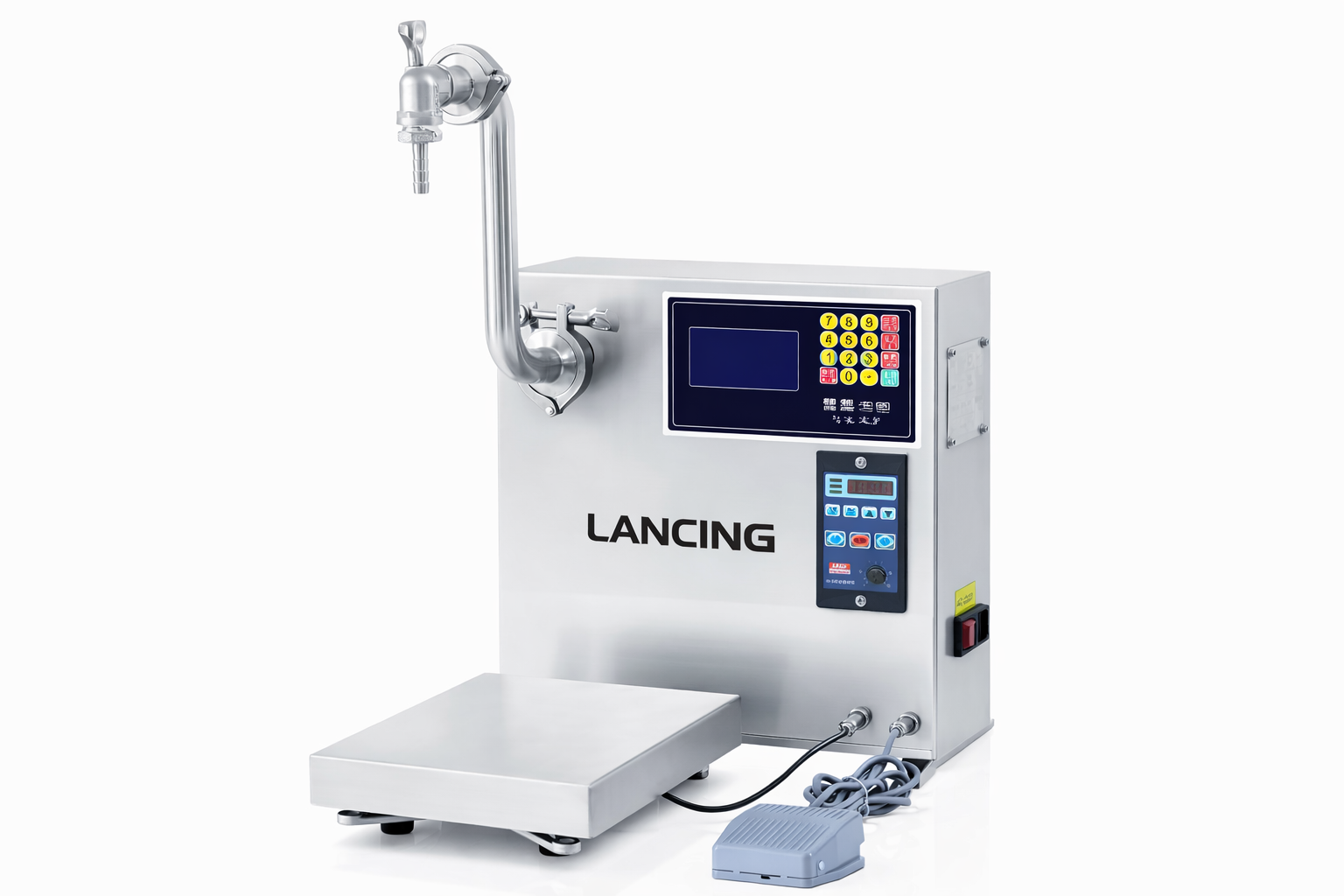
Compare piston, peristaltic, pump, gravity, fill-to-level and net-weight methods.
Explore Bottle Filling Principles Compared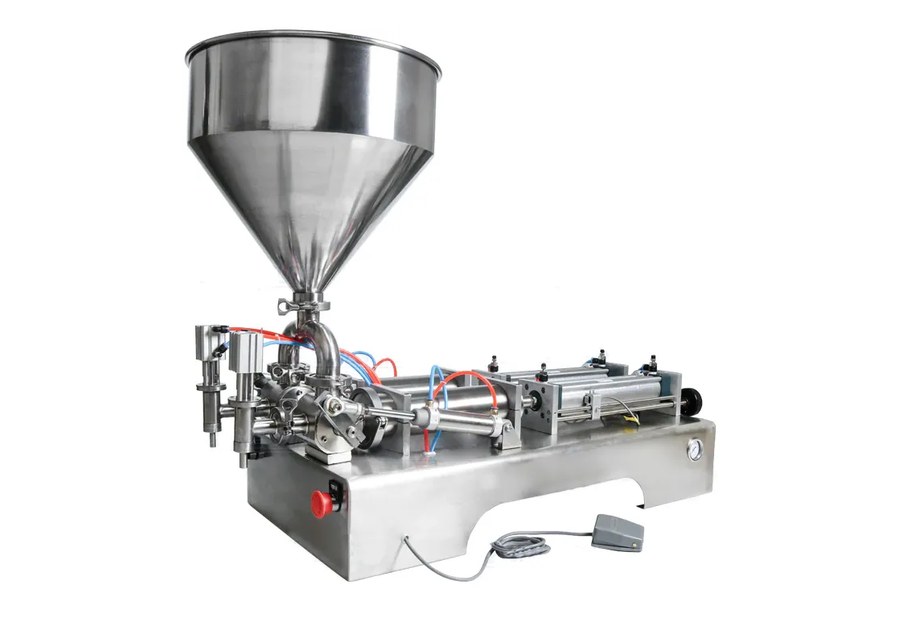
Model labour, output, footprint, changeover and total weekly production.
Explore Semi-Automatic vs Automatic
Map bottle infeed, filling, closing, sealing, coding, labelling and controls.
Explore Bottle Filling Line Planning
Detailed answers on price, speed, accuracy, products, samples, utilities and tests.
Explore Bottle Filling Machine FAQsRecommended sequence
Move from product-and-pack definition to technology, automation and full-line planning.
Document product, fill range, bottle, closure and output.
Shortlist dosing principles and nozzle configurations.
Model labour, batches, changeovers and sustained output.
Freeze conveyors, closing, labelling, safety and acceptance.
Questions
How to use the resources effectively.
They are written for manufacturers, contract packers, engineers and project teams comparing bottle-filling equipment or planning a new line.
No. They help structure the enquiry and comparison. The final specification must be based on actual products, packs, site conditions and agreed acceptance criteria.
Yes. Record the current line height, conveyor details, speeds, controls, available footprint and the bottleneck you need to remove.
Lancing Ltd can compare the practical bottle filling routes and confirm the right next step before quotation.
Bottle-format guide library
Use these after the general buyer guide to test bottle handling, filling presentation and changeover risk.
Review rigidity, opening size, shoulder geometry, base shape and dimensional variation before the bottle reaches the nozzle.
Open the bottle-format guideSeparate dose control from visible level and plan flow profile, nozzle movement, headspace and clean cut-off.
Open the filling-presentation guideMap guide rails, sensors, stops, pucks, change parts, line clearance and acceptance checks across the bottle journey.
Open the handling guideVerification and acceptance
These guides extend the pack-led selection process into quantity verification, representative trials and project acceptance.
Separate volume, mass and visible-level requirements; define product conditions, sample points and a repeatable acceptance method.
Open the verification guideBuild a representative pack matrix and test starts, restarts, changeovers, line interfaces and sustained good production.
Open the acceptance guideCommercial and lifecycle guidance
Use these guides to compare scope, prepare the site, control changes and keep the finished system supportable.
See what changes a quotation and compare proposals against equivalent scope.
Open the cost guidePrepare product, bottle, output, cleaning, line and acceptance requirements.
Open the specification checklistPlan delivery access, floor, utilities, product supply, integration and handover.
Open the installation guideDefine the product-contact path, line clearance, format changes and first-off checks.
Open the changeover guideUse safe, symptom-led checks and provide better evidence for service support.
Open the maintenance guideBuild a product-and-pack matrix for mixed campaigns and staged automation.
Open the contract-packing guideTechnical question library
Use these guides when a short FAQ is not enough to define the machine, trial or acceptance requirement.
Diving movement, neck clearance, shut-off, suck-back and trial evidence.
Compare container control, changeover, footprint, output and expansion.
Gates, timing screws, pucks, sensor limits and no-bottle-no-fill logic.
Decide whether an empty-bottle cleaning stage belongs before filling.
Separate quantity, visible level, bubbles, feed conditions and head variation.
Compare compact integration with modular access and future expansion.
Control cut-off, foam rise, transfer and closure presentation.
New project routes
Use these additions to move from general selection criteria to a model, application or product-feed review.
Define the vessel, transfer route, level controls, pipework and cleaning needed for a stable filler inlet.
Read the guideCompare dosing principles, bottle handling, operator ergonomics and automatic line routes.
Read the guideReview LU-CL6T, LU-YT4T-4D and LU-GT1V reference information with project-specific cautions.
Start with LU-CL6TNew bottle-led guides
See how bottle material changes stability, neck presentation and conveyor handling.
Bottle material guideDefine product temperature, bottle heat resistance, closure timing and cooling before choosing equipment.
Hot-fill guideCompare simple, semi-automatic and compact automatic bottling equipment around actual workload.
Small-batch buyer guideQuality and production evidence
Use these guides when the issue is not simply which pump to buy. Each separates a production decision from the evidence needed to accept it.