
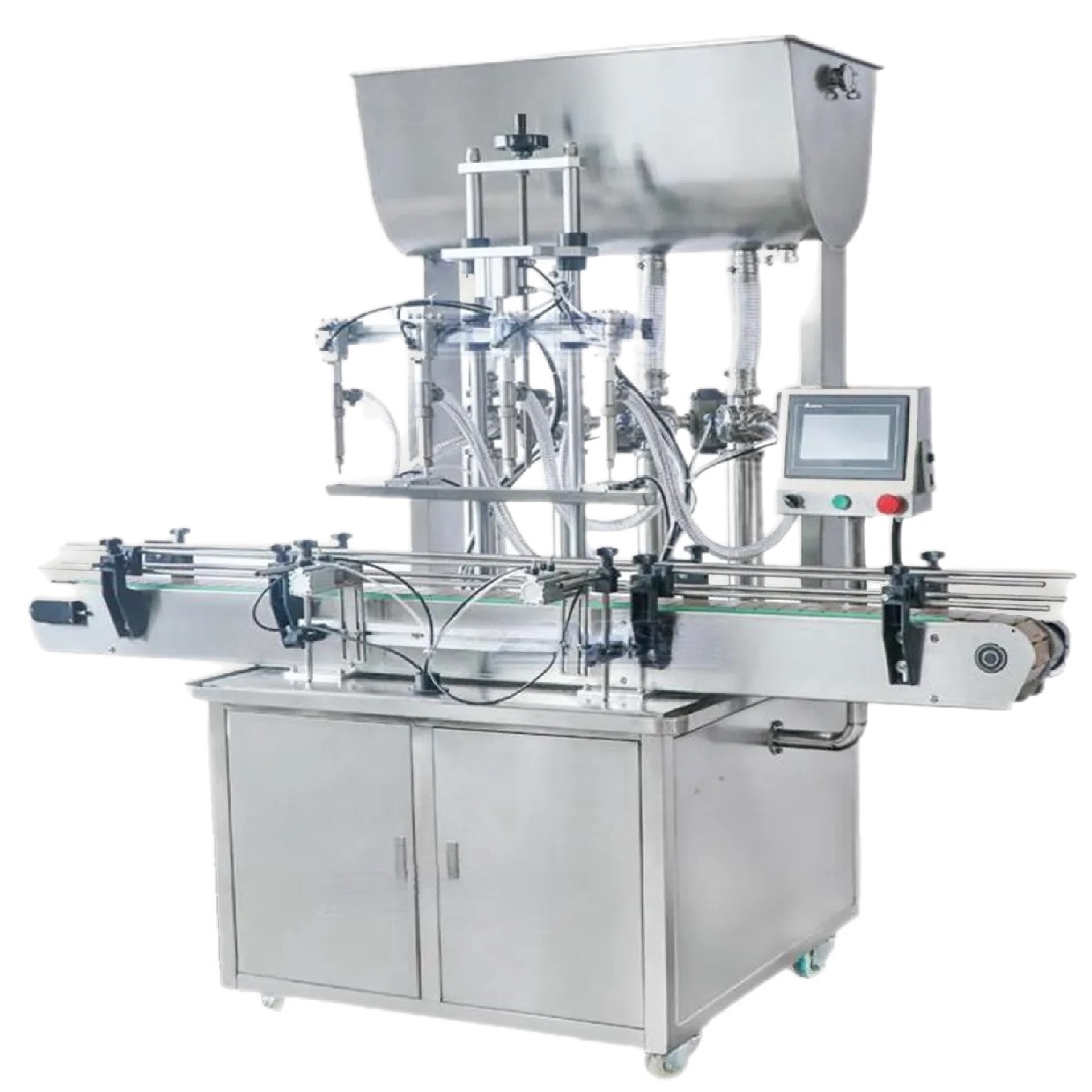
Direct answer
Effective troubleshooting separates the symptom from the cause and checks the production system in a controlled order
A bottle filling fault can originate before, inside or after the dosing device. Product temperature, air, supply pressure, bottle variation, sensors, guide settings, nozzle condition, control timing and downstream back-pressure can produce similar symptoms. Record the exact condition, isolate safely and change one variable at a time instead of adjusting several settings together.
Maintenance and repair should follow the machine documentation and site procedures. Work requiring access to hazardous parts or stored energy must be undertaken by authorised, competent people using the approved isolation method. HSE’s general maintenance guidance emphasises safe isolation and competent maintenance.
Build maintenance around function and risk
Operator checks
Cleanliness, leaks, damage, guards, sensors, product level, air pressure where applicable and unusual sound or movement.
Planned maintenance
Machine-specific inspection, lubrication, adjustment and replacement tasks at the approved safe interval.
Condition response
Action triggered by wear, leakage, drift, alarms, repeated rejects or inspection findings rather than calendar alone.
Use this troubleshooting sequence
- Stop and make the condition safe.
- Record product, bottle, recipe, batch, alarm and point in the cycle.
- Confirm what changed immediately before the fault.
- Check product supply and bottle presentation before changing dosing settings.
- Inspect permitted product-path and nozzle items using the manual.
- Reproduce the symptom with controlled samples where safe.
- Change one approved variable and record the result.
- Escalate with photographs, video, alarm text and machine identification when unresolved.
Symptom-led checks
| Observed symptom | Evidence-led checks | Escalation boundary |
|---|---|---|
| Quantity varies | Product temperature and density, air, supply stability, prime state, seals or tubing, settings, bottle tare and measurement method | Do not compensate repeatedly with settings when the supply or metering component is unstable |
| Nozzle drips or strings | Nozzle cleanliness, shut-off condition, pressure, suck-back where fitted, valve timing, trapped air and product below the closure point | Replace or repair only using approved parts and procedures |
| Foam or splash increases | Product temperature, aeration, supply pressure, flow profile, nozzle height, bottle entry point and headspace | Pause when foam risks overflow, contamination or unsafe product exposure |
| Bottle misses the nozzle | Guides, stops, pucks, sensor alignment, bottle variation, conveyor transfers and accumulation pressure | Do not bypass guarding or bottle-detection logic to continue production |
| No fill or intermittent fill | Product availability, isolation valves, prime, air supply, sensor state, recipe, interlocks and alarm history | Escalate control, electrical or pneumatic work to competent personnel |
| Restart creates rejects | Product settling, lost prime, pressure recovery, bottles held under nozzles, line-clearance logic and first-off segregation | Define and validate a controlled restart rather than accepting recurring start-up loss |
Keep bottle handling in the fault record
Measure the actual bottle that failed, not only a nominal drawing. Record mould or supplier variation, base deformation, neck position, decoration and whether the bottle was empty or partly filled at the problem point. A filling station may appear inconsistent when the root cause is bottle presentation or a transfer immediately before the nozzle.
Use measurement evidence before declaring fill drift
Confirm the check method, instrument, sample timing and product condition. Net mass, gross mass, dispensed volume and visible level are not interchangeable. Bottle tare or internal-volume variation can make a stable dosing system appear unstable when the wrong measurement is used. The fill accuracy and dose-range guide provides a repeatable basis.
Create a practical spare-parts and backup plan
Classify spares by production consequence and lead time. Retain the machine-specific recommended list, part references, quantities, storage requirements and replacement authority. Protect controller, HMI and recipe backups according to the supplier’s procedure and site cybersecurity controls. Record every software or parameter change.
Prepare useful evidence for remote support
- Machine identification and installed configuration
- Exact alarm text and time of occurrence
- Product, temperature, bottle, dose and recipe
- What changed before the problem
- Clear photographs and short video from a safe position
- Checks completed and the result of each one
For manuals, spare parts and service coordination, use the Lancing Packserv support portal where applicable to the supplied project.