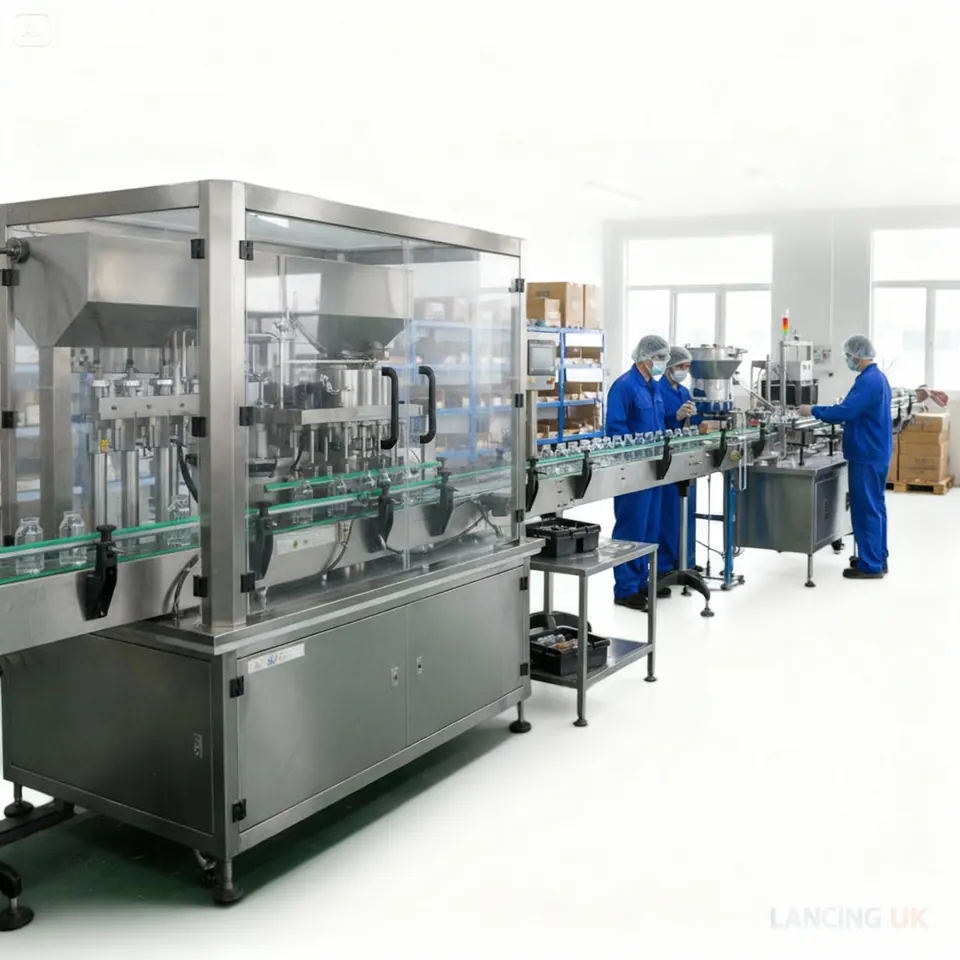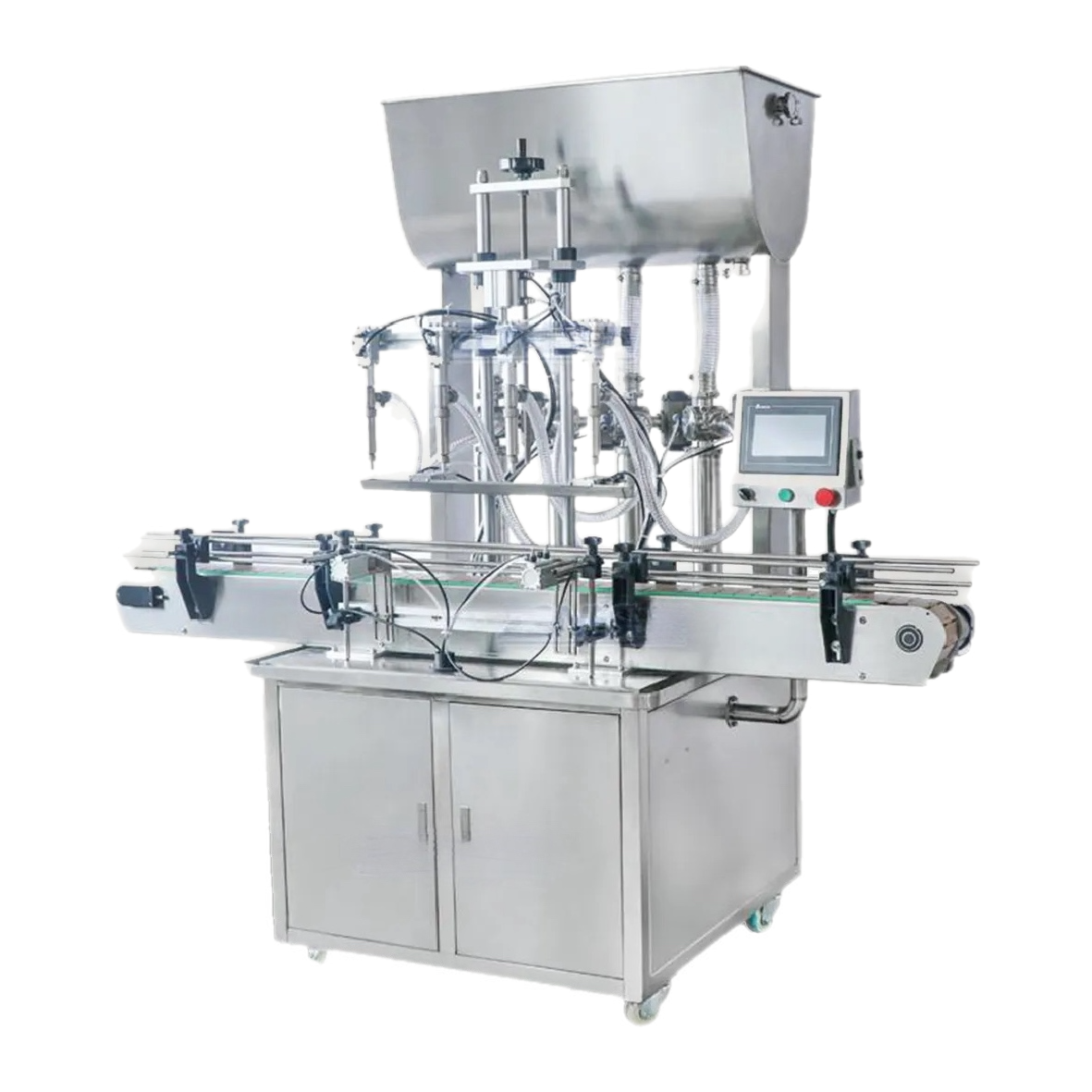
Bottle filling machinery • Engineered and supplied by Lancing Ltd

Bottle filling buyer guide

Bottle Filling Machine FAQs

A detailed buyer knowledge base covering machinery selection, performance, product handling, bottle control and complete line integration.

Bottle Filling Machine FAQs

Knowledge base

Practical answers before quotation

This FAQ consolidates the questions that most often change bottle-filling scope. The answers are deliberately conditional because the real product and pack define performance.

Use these answers for planning, not as a final specification. Performance, compliance and suitability should be confirmed in the supplier’s written quotation and agreed acceptance test.

Quick links by topic

Machine selection

Product, dose, bottle, output, automation and cleaning.

Process performance

Accuracy, speed, foam, particles, drips and changeover.

Line integration

Conveyors, capping, labelling, controls, safety and testing.

Preparing a useful enquiry

  • Product identity and representative sample
  • Viscosity and behaviour at production temperature
  • Fill range and declared quantity requirement
  • Bottle drawings or samples and closure set
  • Target output by volume and batch size
  • Cleaning and product-change requirements
  • Existing machinery and scaled line layout
  • Required documentation, trial and acceptance method

For detailed comparisons, use the machine-selection guide, the filling-principles table and the line-planning checklist.
Continue planning

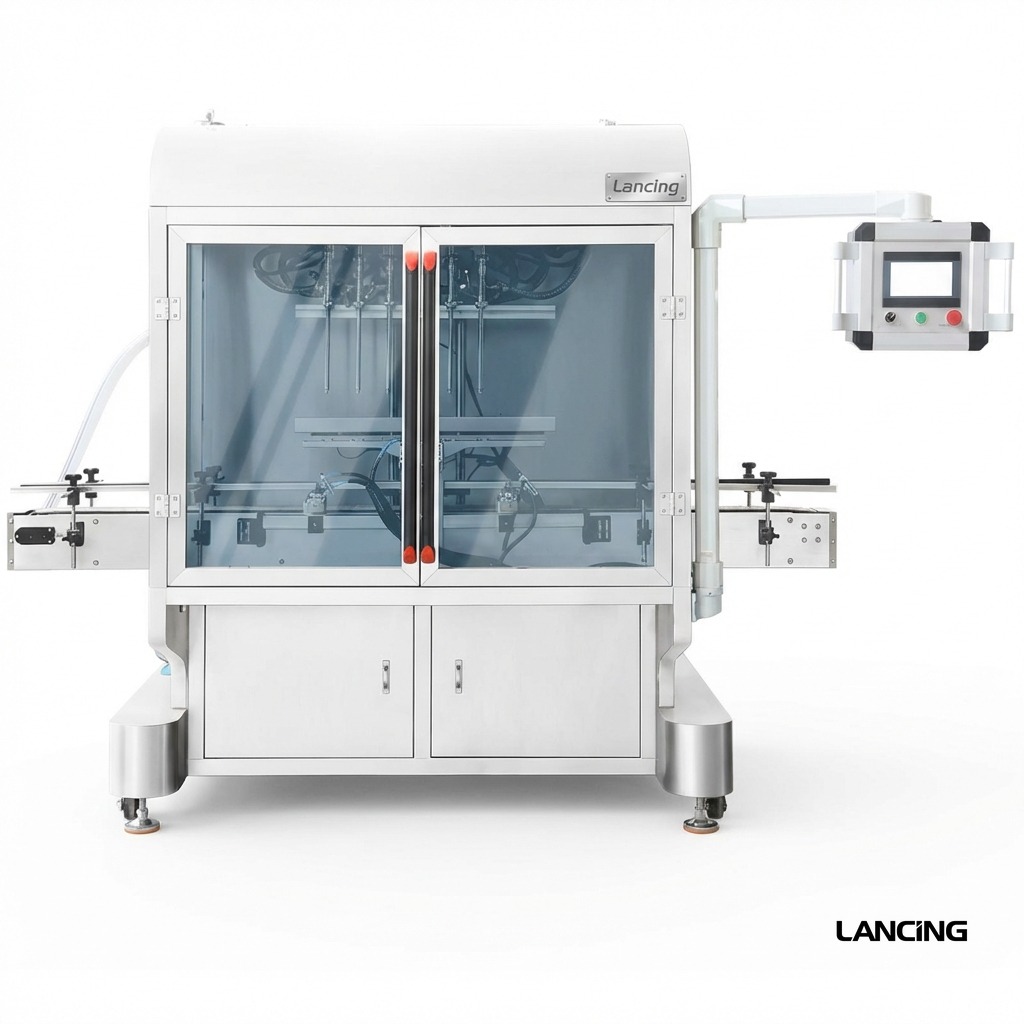
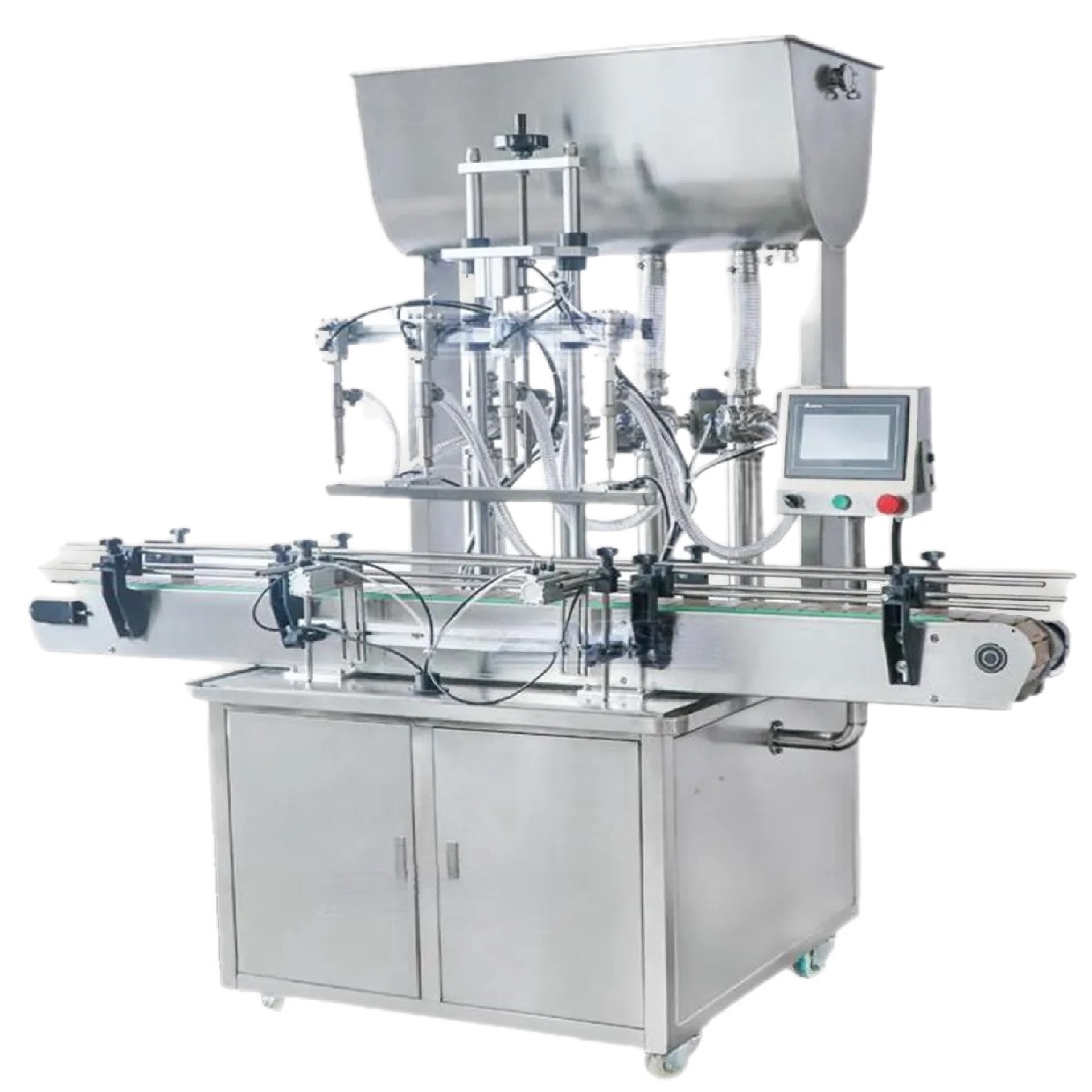
Related bottle filling guides and machinery

Use the next pages to turn the initial comparison into a quote-ready project brief.

Questions

Bottle Filling Machine FAQs FAQs

Concise answers to common planning questions.

How much does a bottle filling machine cost?

Price depends on filling technology, head count, automation, product-contact materials, guarding, controls, change parts, trials, documentation, installation and line scope. A useful quotation requires the actual product, bottle and output brief.

How accurate are bottle filling machines?

Accuracy is application-specific. Product consistency, air, temperature, feed stability, dose range, calibration, measurement method and machine condition all affect the result.

What output can I expect?

Output depends on fill volume, product flow, number of nozzles, bottle indexing, foam, closure stages and the sustained—not peak—line cycle.

Can a machine fill different bottle shapes?

Often, with adjustable guides, recipes and change parts. Unstable, tapered or very small containers may need dedicated handling.

Can I fill liquids and pastes on one machine?

Some piston or positive-displacement platforms cover a broad viscosity range, but feed, valves, nozzles and cleaning may need changes. Test the extremes of the product range.

What is the difference between a filler and a bottling line?

A filler doses product. A bottling line can also handle bottle infeed, rinsing, closures, sealing, coding, labelling, inspection, accumulation and packing.

Do you offer semi-automatic machines?

Yes. Semi-automatic filling is suited to operator-loaded short and medium runs, frequent changes and staged automation.

Do you offer automatic filling lines?

Yes. Automatic systems use conveyors, sensors and bottle control and can connect to closing, sealing and labelling machinery.

What product samples are needed?

Send enough representative product for agreed trials, plus every bottle and closure in scope. Include normal manufacturing variation and any difficult format.

Can foaming products be filled?

Yes, subject to testing. Flow profiling, diving nozzles, nozzle diameter and bottle control are common variables used to reduce foam and splash.

Can products with particles be filled?

Possibly. Particle size, shape, concentration and fragility determine valve and nozzle selection and can affect dose consistency.

What materials are used in the product-contact path?

They are selected for the product and process. Stainless grades, polymers, tubing, seals and hoses all need compatibility review; no one material suits every formulation.

Is a corrosion-resistant filler automatically ATEX?

No. Corrosion resistance and explosive-atmosphere compliance address different hazards. ATEX requirements come from a hazardous-area assessment.

How long does changeover take?

It depends on the product path, bottle guides, nozzles, cylinders or tubing, cap feeder, labeller and cleaning. Ask for a defined changeover demonstration rather than a generic estimate.

Can the machine integrate with my existing conveyor?

Often, but line height, width, speed, bottle transfer, signals, guarding and emergency-stop architecture must be checked.

What utilities are normally required?

Depending on the machine: electrical supply, compressed air, product feed, extraction, drainage, wash water, heat or data connections. Confirm these on the final specification.

What is an FAT?

A factory acceptance test is an agreed pre-dispatch test using defined products or test media, packs, output, tolerances and acceptance criteria.

What should be included in a quotation?

Machine scope, product and pack assumptions, performance basis, change parts, utilities, guarding, documentation, trials, delivery, installation, training, warranty and exclusions.

Send the product, bottle and output target.

Lancing Ltd can compare the practical bottle filling routes and confirm the right next step before quotation.

Need help selecting a filler? Send your product, bottle, fill range and target output. Ask Lancing for a practical machine shortlist.
Request a quoteCall